Have you ever tasted lettuce so fresh, so crisp, and so flavorful that it instantly transported you to a sunny garden? That's the magic of growing your own. And if you're looking for a romaine lettuce variety that's as easy to grow as it is delicious, look no further than Parris Island Romaine! This guide will walk you through everything you need to know to cultivate a thriving crop of Parris Island Romaine lettuce right in your own backyard. Growing Parris Island Romaine Lettuce: A Complete Guide Why Choose Parris Island Romaine Lettuce? Parris Island Romaine lettuce isn't just another leafy green; it's a workhorse in the garden, offering a multitude of benefits for both the gardener and the consumer. Its upright growth habit, heat tolerance, and crisp, flavorful leaves make it a popular choice among home gardeners and commercial growers alike. But what exactly makes this romaine variety so special? Exceptional Flavor and Texture One o...
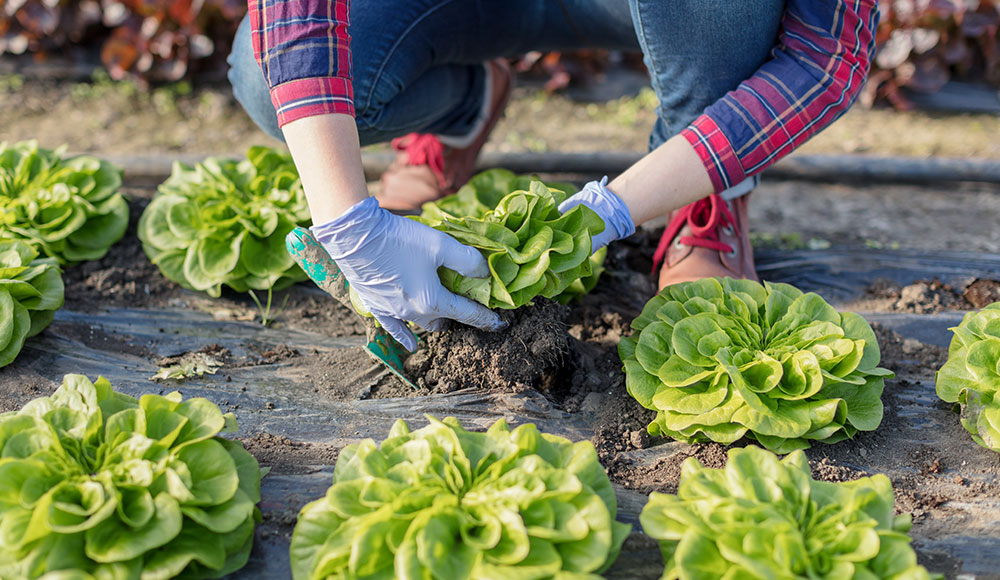
Ever wondered what secrets lie hidden beneath the soil, just before you pluck that crisp, refreshing lettuce for your salad? It's more than just a leafy green; it's a journey from tiny seed to vibrant, edible delight. So, let’s uncover the fascinating world of growing lettuce and see exactlywhat lettuce looks like growing!
Different Stages of Lettuce Growth:A Visual Guide
Understanding thestages of lettuce growth is crucial to appreciating what you’re seeing in your garden or even at the farmer's market. From seed to harvest, lettuce undergoes distinct transformations. This detailed guide helps you track the lifecycle of your lettuce.
Seed Germination: The Beginning of Life
The journey begins with a tiny seed, often dark in color. Lettuce seeds germinate relatively quickly, usually within 7-10 days, provided the soil temperature is between 60-70°F (15-21°C). You'll notice small, delicate sprouts emerging from the soil. These seedlings are extremely vulnerable at this stage and need consistent moisture and protection from harsh sunlight. Avoid direct sun.
Seedling Stage: The First True Leaves
Once the seedlings emerge, they begin to develop their first true leaves. These leaves, unlike the initial seed leaves (cotyledons), will resemble the characteristic shape of the lettuce variety you're growing. At this stage, the plant is still small and tender. You'll want to thin out the seedlings, giving each plant enough space to grow to its full potential. Generally, this means leaving about 4-12 inches between plants, depending on the type of lettuce.
Vegetative Growth: Developing the Head or Loose Leaves
This is where the magic happens! During the vegetative growth stage, the lettuce plant focuses on developing its leaves. For head lettuce varieties like iceberg or romaine, the leaves will begin to wrap around each other, forming a dense head. For loose-leaf varieties like butter lettuce or red leaf lettuce, the leaves will simply grow outwards from the central stem. Proper watering and fertilization are essential during this stage to promote healthy leaf development. This step provides the most information ofwhat does lettuce look like growing.
Here are some tips for this stage:
- Ensure the soil is consistently moist but not waterlogged.
- Fertilize with a balanced fertilizer, following the package instructions.
- Monitor for pests and diseases, and take action promptly if needed.
Heading vs. Leaf Lettuce: A Visual Comparison
The visual difference between heading and leaf lettuce is quite striking. Heading lettuce varieties, such as iceberg and romaine, form a tightly packed head of leaves. The outer leaves are typically darker green, while the inner leaves are paler and more tender. Leaf lettuce varieties, on the other hand, do not form a head. Instead, they have loose, individual leaves that fan out from the central stem.
Visual differences in different types of lettuce include:
- Iceberg: Round, tightly packed head with crisp, pale green leaves.
- Romaine: Elongated head with sturdy, dark green leaves.
- Butter Lettuce: Loose, rounded head with soft, buttery leaves.
- Red Leaf Lettuce: Loose leaves with a reddish-purple hue.
Factors Influencing the Appearance of Growing Lettuce
Several factors can influencewhat lettuce looks like growing. Understanding these elements allows you to optimize growth and achieve the desired appearance and flavor.
Sunlight:The Key to Healthy Growth
Lettuce thrives in full sun, requiring at least 6 hours of direct sunlight per day. However, in hot climates, some afternoon shade can be beneficial to prevent bolting (premature flowering). Insufficient sunlight can lead to leggy growth and pale leaves. Too much intense sunlight can scorch the leaves, especially in warmer climates. You should be able to observewhat the plant looks like based on this information.
Soil Conditions: Providing the Right Foundation
Lettuce prefers well-drained, fertile soil with a p H of 6.0-7.0. Amend the soil with compost or other organic matter to improve drainage and nutrient content. Compacted soil can hinder root growth and lead to stunted plants. Soil testing can help you determine the p H and nutrient levels of your soil, allowing you to make necessary adjustments. You could use a raised garden bed with appropriate soil conditions for ideal growing conditions.
Speaking of raised beds, you might find the Quictent Raised Garden Bed quite useful for your lettuce cultivation. This galvanized metal planter box kit comes with a cover and screen windows, creating a mini greenhouse to protect your lettuce. Plus, it includes T-tags and gloves! Check it out here: https://amzn.to/3GEX0q V
Watering: Maintaining Consistent Moisture
Consistent moisture is crucial for lettuce growth. Water deeply and regularly, especially during dry spells. Avoid overhead watering, as it can promote fungal diseases. Drip irrigation is an excellent way to deliver water directly to the roots. Wilting leaves are a sign of underwatering, while yellowing leaves can indicate overwatering. This will determinewhat the lettuce plant looks like.
Temperature:Avoiding Bolting
Lettuce is a cool-season crop and prefers temperatures between 60-70°F (15-21°C). Hot weather can cause lettuce to bolt, which means it will send up a flower stalk and the leaves will become bitter. To prevent bolting, plant lettuce in early spring or late summer, and provide shade during the hottest part of the day. Choosing bolt-resistant varieties can also help. Remember that different temperatures can drastically affectwhat the lettuce plant looks like.
Pests and Diseases:Common Challenges
Lettuce, like any other plant, is susceptible to various pests and diseases that can affect its appearance and health.
Identifying Common Pests
Some common pests that affect lettuce include aphids, slugs, snails, and cutworms. Aphids are small, soft-bodied insects that suck sap from the leaves, causing them to become distorted and yellow. Slugs and snails feed on the leaves, leaving irregular holes. Cutworms are caterpillars that cut off young seedlings at the base.
Recognizing Signs of Disease
Lettuce is also susceptible to several diseases, including downy mildew, powdery mildew, and bottom rot. Downy mildew causes yellow spots on the upper surface of the leaves and a grayish-white mold on the underside. Powdery mildew appears as a white, powdery coating on the leaves. Bottom rot is a fungal disease that causes the lower leaves to rot.
Preventative Measures and Solutions
To prevent pest and disease problems, practice good garden hygiene, such as removing plant debris and weeds. Use organic pest control methods, such as introducing beneficial insects or applying insecticidal soap. Choose disease-resistant varieties and provide good air circulation to prevent fungal diseases. Proper spacing between plants allows for more light exposure, and can affectwhat the lettuce looks like growing.
Harvesting Lettuce:Knowing When It's Ready
Knowingwhen to harvest lettuce is just as important as knowing how to grow it. Harvesting at the right time ensures the best flavor and texture.
Signs of Maturity
The time to harvest lettuce depends on the variety and growing conditions. Generally, leaf lettuce can be harvested when the leaves are large enough to eat, usually about 4-6 inches long. Head lettuce is ready to harvest when the head is firm and well-formed. Avoid harvesting lettuce during the hottest part of the day, as the leaves will be more wilted and less crisp.
Harvesting Techniques
For leaf lettuce, you can harvest individual leaves as needed, starting with the outer leaves. This allows the plant to continue producing new leaves. For head lettuce, cut the entire head at the base with a sharp knife. Store harvested lettuce in the refrigerator in a plastic bag or container.