Have you ever tasted lettuce so fresh, so crisp, and so flavorful that it instantly transported you to a sunny garden? That's the magic of growing your own. And if you're looking for a romaine lettuce variety that's as easy to grow as it is delicious, look no further than Parris Island Romaine! This guide will walk you through everything you need to know to cultivate a thriving crop of Parris Island Romaine lettuce right in your own backyard. Growing Parris Island Romaine Lettuce: A Complete Guide Why Choose Parris Island Romaine Lettuce? Parris Island Romaine lettuce isn't just another leafy green; it's a workhorse in the garden, offering a multitude of benefits for both the gardener and the consumer. Its upright growth habit, heat tolerance, and crisp, flavorful leaves make it a popular choice among home gardeners and commercial growers alike. But what exactly makes this romaine variety so special? Exceptional Flavor and Texture One o...
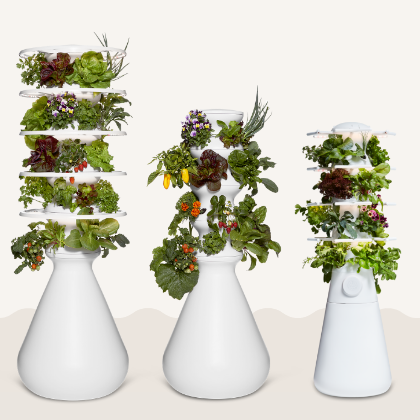
Imagine fresh, crisp lettuce, grown right outside your door, ready to be harvested whenever you need it. No more trips to the grocery store for wilted greens or worrying about harmful pesticides. That's the promise of Farm Stand Lettuce Grow, and it's a promise that's turning gardens (and even balconies!) into thriving edible landscapes.
What is Farm Stand Lettuce Grow?
Farm Stand Lettuce Grow refers to the practice of cultivating lettuce specifically for sale at farm stands or similar local markets. It encompasses everything from selecting the right lettuce varieties and starting seeds to harvesting, washing, and packaging the greens for customers. The core idea is to offer fresh, high-quality lettuce that is locally grown, supporting the local community and providing a sustainable food source. This method of lettuce cultivation offers several benefits, including reduced transportation costs, fresher produce for consumers, and the opportunity for farmers to diversify their income streams.
Beyond the basic definition, Farm Stand Lettuce Grow represents a commitment to sustainable agriculture. It often involves utilizing organic or low-input farming practices, minimizing the use of chemical fertilizers and pesticides. It emphasizes soil health, water conservation, and biodiversity, creating a healthier ecosystem for both the farm and the surrounding environment. Many Farm Stand Lettuce Grow operations also prioritize building relationships with their customers, educating them about the importance of local food and sustainable agriculture.
Benefits of Growing Lettuce for Farm Stands
The advantages of growing lettuce specifically for sale at farm stands are multifaceted and appeal to both the farmer and the consumer.
- Increased Profitability: Selling directly to consumers at a farm stand allows farmers to cut out the middleman, increasing their profit margin. Lettuce, being a relatively quick-growing crop, can provide a steady stream of income throughout the growing season.
- Freshness and Quality: Farm stand lettuce is harvested at its peak ripeness and sold soon after, ensuring superior freshness and flavor compared to lettuce transported long distances.
- Reduced Transportation Costs: Local production eliminates the need for long-distance transportation, reducing fuel consumption and greenhouse gas emissions.
- Community Support: Farm stands provide a venue for local farmers to connect with their community, fostering a sense of trust and support. Consumers are more likely to support local businesses when they understand the benefits of doing so.
- Sustainable Agriculture: Farm stand lettuce growers often employ sustainable farming practices, minimizing their environmental impact. Consumers can support these practices by purchasing locally grown lettuce.
- Variety and Choice: Farm stands can offer a wider variety of lettuce than typically found in grocery stores, including heirloom varieties and unique blends.
Consider the case of Sarah, a small-scale farmer who started growing lettuce for her local farm stand. She initially faced challenges in establishing a consistent customer base. However, by highlighting the freshness and quality of her lettuce, as well as her commitment to sustainable practices, she was able to build a loyal following. Her farm stand lettuce became a popular item, significantly increasing her overall farm income.
Selecting the Right Lettuce Varieties for Your Farm Stand
Choosing the right lettuce varieties is crucial for success in Farm Stand Lettuce Grow. Factors to consider include climate, soil type, market demand, and disease resistance. Different lettuce varieties thrive in different conditions, so it's important to select those that are well-suited to your local environment.
Here's a breakdown of common lettuce types and their characteristics:
Butterhead: Known for its soft, buttery leaves and mild flavor. Examples include Boston and Bibb lettuce. Relatively delicate and best suited for cooler weather. Romaine: Characterized by its crisp, elongated leaves and robust flavor. A key ingredient in Caesar salad. More heat-tolerant than butterhead lettuce. Crisphead: Forms a tight head with crisp, crunchy leaves. Iceberg lettuce is the most common example. Requires a longer growing season and is more susceptible to disease. Looseleaf: Doesn't form a head and has loose, individual leaves. Easy to grow and harvest, and comes in a variety of colors and textures. Examples include Red Sails and Lollo Rossa. Summer Crisp (Batavian):A cross between crisphead and looseleaf lettuce. Offers a crisp texture and good heat tolerance.
Experiment with different varieties to determine which ones perform best in your area and are most popular with your customers. Consider offering a mix of colors, textures, and flavors to appeal to a wider range of palates. Also, research disease resistance and pest resistance capabilities as this will protect your investments.
Best Practices for Growing High-Quality Farm Stand Lettuce
Cultivating high-quality lettuce for your farm stand requires careful attention to detail throughout the growing process.
Soil Preparation: Lettuce thrives in well-drained soil that is rich in organic matter. Amend the soil with compost or other organic materials before planting. Planting: Start seeds indoors or direct sow in the garden. Space plants according to the variety. Watering: Water regularly to keep the soil consistently moist, but avoid overwatering, which can lead to disease. Fertilizing: Fertilize with a balanced fertilizer according to soil test recommendations. Avoid over-fertilizing, which can result in bitter-tasting lettuce. Weed Control: Keep the growing area free of weeds, which compete with lettuce for nutrients and water. Pest and Disease Management: Monitor plants regularly for pests and diseases. Use organic pest control methods whenever possible. Harvesting:Harvest lettuce when it is mature but before it becomes bitter. Cut the entire head or individual leaves as needed.
Did you know that lettuce prefers cooler temperatures and can bolt (go to seed) in hot weather? To extend your lettuce growing season, consider using shade cloth or planting in a location that receives afternoon shade. This helps create optimal conditions for growth and ensures a consistent supply of fresh lettuce for your farm stand.
Marketing and Selling Your Farm Stand Lettuce
Once you've grown a bountiful harvest of lettuce, it's time to market and sell it at your farm stand. Effective marketing is crucial for attracting customers and building a loyal following.
Here are some tips for marketing your farm stand lettuce:
Clearly Label and Display Your Lettuce: Use attractive signage to identify the different lettuce varieties and highlight their unique characteristics. Offer Samples: Allow customers to sample the lettuce before they buy it. This is a great way to showcase its freshness and flavor. Highlight the Benefits of Local and Sustainable Agriculture: Educate customers about the benefits of buying locally grown lettuce, such as its freshness, quality, and environmental impact. Promote Your Farm Stand on Social Media: Use social media platforms to announce your hours of operation, highlight new lettuce varieties, and share photos of your farm. Partner with Local Restaurants and Businesses: Supply your lettuce to local restaurants and businesses to increase your visibility and reach a wider audience. Offer Recipes and Serving Suggestions: Provide customers with recipes and serving suggestions to inspire them to use your lettuce in new and creative ways.
To ensure the best possible watering for your lettuce crop, especially during dry spells, consider using a reliable garden hose. Awater hose with multiple functions is a great tool to have. The Garden Hose 75 FT with 10-Function Nozzle, Leak-proof Metal Connector Water Hose, No Knots, Kink-Free, Lighter, Anti-Pets, Wear-Resistant, 3/4 GHT, Metal Hose for Garden, Yard, Outdoor is a robust option designed for efficient watering. It can be found here: https://amzn.to/3Yv E0Bo.
The Future of Farm Stand Lettuce Grow
The demand for locally grown, sustainable food is only increasing, making Farm Stand Lettuce Grow an increasingly viable and rewarding endeavor. As consumers become more conscious of the environmental and health impacts of their food choices, they are seeking out alternatives to conventional grocery store produce. Farm stands offer a direct connection to the farmer and a tangible demonstration of sustainable agriculture.
Technology is also playing a role in the future of Farm Stand Lettuce Grow. Innovations in irrigation, pest control, and data analysis are helping farmers to improve their yields and reduce their environmental impact. Vertical farming, hydroponics, and other controlled environment agriculture techniques are also being used to grow lettuce in urban areas, making it more accessible to consumers.
By embracing sustainable practices, fostering community connections, and leveraging technological advancements, Farm Stand Lettuce Grow can play a vital role in creating a more resilient and equitable food system.