Have you ever tasted lettuce so fresh, so crisp, and so flavorful that it instantly transported you to a sunny garden? That's the magic of growing your own. And if you're looking for a romaine lettuce variety that's as easy to grow as it is delicious, look no further than Parris Island Romaine! This guide will walk you through everything you need to know to cultivate a thriving crop of Parris Island Romaine lettuce right in your own backyard. Growing Parris Island Romaine Lettuce: A Complete Guide Why Choose Parris Island Romaine Lettuce? Parris Island Romaine lettuce isn't just another leafy green; it's a workhorse in the garden, offering a multitude of benefits for both the gardener and the consumer. Its upright growth habit, heat tolerance, and crisp, flavorful leaves make it a popular choice among home gardeners and commercial growers alike. But what exactly makes this romaine variety so special? Exceptional Flavor and Texture One o...
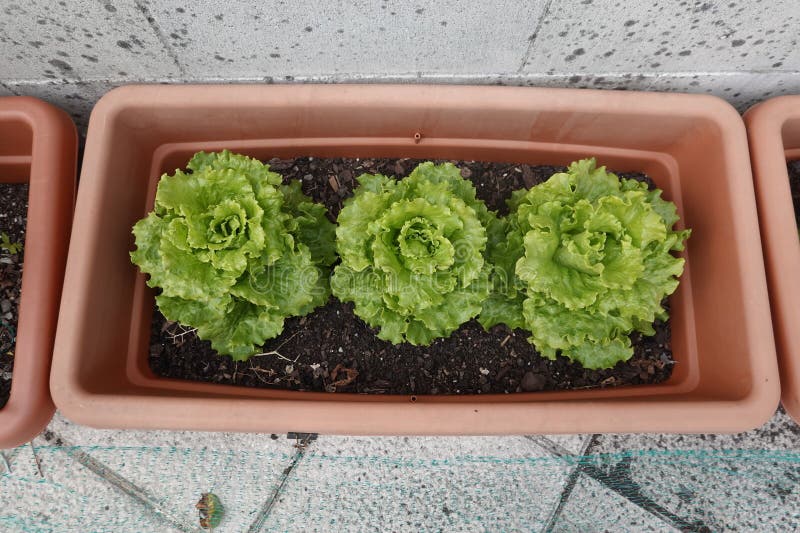
Imagine stepping onto your balcony or patio and snipping fresh, crisp lettuce leaves for your salad, grown right there in a pot. It’s easier than you think! Growing your own lettuce is a rewarding experience, providing you with a constant supply of fresh greens and a connection to nature, even in a small space.
Growing Lettuce in a Pot: A Comprehensive Guide
Growing lettuce in a pot is a simple and satisfying way to enjoy fresh, homegrown greens. It's perfect for urban gardeners, apartment dwellers, or anyone looking to add a touch of freshness to their balcony or patio. This guide will provide you with all the information you need to successfully grow your own delicious lettuce in containers.
Choosing the Right Pot for Growing Lettuce
Selecting the appropriate pot is the first crucial step in growing lettuce successfully in containers. Lettuce roots don't require extensive depth, but they do need adequate space to spread out and access nutrients. A pot that is too small will constrict the roots, leading to stunted growth and a less bountiful harvest. Let's delve into the factors you need to consider:
Pot Size and Material
For most lettuce varieties, a pot that is at least 6-8 inches deep and 8-12 inches in diameter is sufficient. If you're planning on growing multiple lettuce plants in the same pot, opt for a larger container, such as a window box or a large planter. Consider these factors when determining how many plants your container can hold:
- Variety: Leaf lettuce can be planted closer together than head lettuce.
- Container Size: Obviously, a larger container can hold more plants.
- Personal Preference: Some gardeners prefer more space between plants for better air circulation.
The material of the pot also matters. Terra cotta pots are porous, allowing the soil to dry out more quickly, which can be beneficial in humid climates but may require more frequent watering. Plastic pots retain moisture better but can overheat in direct sunlight. Glazed ceramic pots offer a good balance between moisture retention and temperature regulation. Fabric pots are another excellent option, promoting air pruning of the roots and improving drainage.
Drainage is Key
Regardless of the material you choose,drainage is absolutely essential. Lettuce does not tolerate soggy soil, which can lead to root rot and other fungal diseases. Make sure your pot has drainage holes at the bottom to allow excess water to escape. You can also add a layer of gravel or small stones to the bottom of the pot to improve drainage further. For instance, using an upside-down terracotta pot shard over each drainage hole can help prevent the soil from washing out during watering.
Selecting the Best Lettuce Varieties for Container Growing
Not all lettuce varieties are created equal when it comes to container gardening. Some are more compact and better suited for pots than others. Here's a look at some of the best lettuce varieties to grow in containers:
Leaf Lettuce
Leaf lettuce is an excellent choice for container gardening because it is easy to grow and can be harvested continuously. Simply snip off the outer leaves as needed, and the plant will continue to produce new leaves. Some popular leaf lettuce varieties include:
- Black Seeded Simpson: A reliable and heat-tolerant variety with crinkled, light green leaves.
- Red Sails: A beautiful and nutritious variety with reddish-bronze leaves.
- Oak Leaf: A mild-flavored variety with deeply lobed leaves that resemble oak leaves.
- Lollo Rossa: Another visually appealing and tasty lettuce with tightly curled red leaves.
Butterhead Lettuce
Butterhead lettuce forms loose heads with tender, buttery-flavored leaves. These varieties are also well-suited for container growing.
- Buttercrunch: A classic butterhead variety with small, compact heads and sweet, buttery leaves.
- Tom Thumb: A miniature butterhead variety that is perfect for small pots or tight spaces.
Romaine Lettuce
Romaine lettuce is known for its crisp, upright leaves and slightly bitter flavor. While romaine lettuce can be grown in containers, it requires a bit more space than leaf or butterhead lettuce.
- Little Gem: A miniature romaine variety that is well-suited for container growing.
- Paris Island Cos: A classic romaine variety with tall, upright heads.
When selecting your lettuce varieties, consider your personal preferences and the amount of space you have available. You can also experiment with different varieties to find your favorites. One interesting case study showed that gardeners who planted a mix of lettuce varieties experienced a lower incidence of pest infestations and a more diverse flavor profile in their salads.
The Ideal Soil and Planting Methods
The right soil mix and planting methods are crucial to ensure your container lettuce thrives. Here's what you need to know:
Choosing the Right Soil Mix
Lettuce prefers a well-draining, nutrient-rich soil. Avoid using garden soil in containers, as it can become compacted and inhibit drainage. Instead, opt for a high-quality potting mix that is specifically formulated for container gardening. A good potting mix will typically contain a blend of peat moss, perlite, and vermiculite. You can also amend your potting mix with compost or other organic matter to improve its fertility. I personally add some worm castings for an extra boost of nutrients.
Consider these additional tips for preparing your soil:
- p H Level: Lettuce prefers a slightly acidic to neutral soil p H (around 6.0 to
7.0). You can test your soil p H using a soil testing kit and amend it as needed with lime or sulfur.
- Nutrient Content: Lettuce is a heavy feeder, so it's important to ensure that your soil is rich in nutrients. You can add slow-release fertilizer granules to your potting mix at planting time, or you can fertilize your lettuce plants regularly with a liquid fertilizer.
- Soil Structure: The ideal soil structure for lettuce is loose and well-draining. Avoid using soils that are heavy and clayey, as these can become waterlogged and inhibit root growth.
Planting Lettuce Seeds or Seedlings
You can start lettuce seeds indoors or sow them directly into your container. If you're starting seeds indoors, sow them 4-6 weeks before the last expected frost. Transplant the seedlings into your container when they have developed a few sets of true leaves. To sow seeds directly, sprinkle them evenly over the surface of the soil and cover them with a thin layer of potting mix. Gently water the soil and keep it moist until the seeds germinate.
When planting lettuce seedlings, space them according to the variety. Leaf lettuce can be planted closer together than head lettuce. A good rule of thumb is to space leaf lettuce plants 4-6 inches apart and head lettuce plants 8-12 inches apart. One helpful strategy is to do succession planting – sow seeds every 2-3 weeks to ensure a continuous supply of lettuce throughout the growing season.
Watering and Fertilizing Your Potted Lettuce
Consistent watering and proper fertilization are critical for growing healthy and productive lettuce in pots. Here's how to keep your lettuce plants happy:
Watering Techniques
Lettuce needs consistent moisture to thrive, but it doesn't like to be waterlogged. Water your lettuce plants regularly, especially during hot, dry weather. Check the soil moisture regularly by sticking your finger into the soil. If the top inch of soil feels dry, it's time to water. Water deeply, until water drains out of the drainage holes. Avoid overhead watering, as this can lead to fungal diseases. Instead, water at the base of the plants. A simple drip irrigation system can be a great way to ensure consistent watering, especially when you're away.
Fertilizing for Growth
Lettuce is a relatively heavy feeder and needs regular fertilization to produce healthy leaves. You can use a balanced liquid fertilizer, such as a 10-10-10 or 20-20-20 formula, diluted to half strength. Fertilize your lettuce plants every 2-3 weeks. Alternatively, you can use a slow-release fertilizer that will provide nutrients over a longer period of time. Organic fertilizers, such as compost tea or fish emulsion, are also excellent options. To illustrate, a trial using compost tea resulted in 30% larger lettuce yields compared to plots with no fertilization.
Important considerations for both watering and fertilizing:
- Avoid Over-Fertilizing: Too much fertilizer can cause lettuce to bolt (go to seed) and develop a bitter taste.
- Monitor Leaf Color: Pale green or yellowing leaves can indicate a nutrient deficiency.
- Water Early in the Day: This allows the leaves to dry before nightfall, reducing the risk of fungal diseases.
Sunlight and Temperature Requirements for Lettuce
Lettuce thrives in cool weather and requires adequate sunlight. Understanding the ideal sunlight and temperature conditions will allow you to maximize your lettuce harvest when growing lettuce in a pot.
Optimal Sunlight Exposure
Lettuce needs at least 4-6 hours of sunlight per day. However, in hot climates, it's best to provide some afternoon shade to prevent the leaves from wilting or burning. A location that receives morning sun and afternoon shade is ideal. If you're growing lettuce indoors, you can use grow lights to supplement natural sunlight. I've found that rotating the pot periodically ensures that all sides of the plant receive equal light exposure.
Temperature Considerations
Lettuce grows best in temperatures between 60°F and 70°F (15°C and 21°C). It can tolerate temperatures slightly above or below this range, but extreme heat or cold can cause problems. In hot weather, lettuce is prone to bolting, which means it will start to produce flowers and the leaves will become bitter. To prevent bolting, provide shade during the hottest part of the day and keep the soil consistently moist. If you live in a very hot climate, consider growing lettuce during the cooler months of the year. During a sudden cold snap, covering the plants with a blanket or bringing the pots indoors can help protect them from frost damage.
Pest and Disease Control for Potted Lettuce
While growing lettuce in pots can minimize some pest and disease issues, you still need to be vigilant. Here’s how to protect your lettuce from common problems:
Common Pests
Lettuce is susceptible to a variety of pests, including aphids, slugs, snails, and cutworms. Here are some tips for controlling these pests:
- Aphids: These tiny, sap-sucking insects can quickly infest lettuce plants. Wash them off with a strong stream of water or spray with insecticidal soap.
- Slugs and Snails: These slimy creatures can devour lettuce leaves overnight. Handpick them off the plants or use slug and snail bait. Copper tape around the rim of the pot can also deter them.
- Cutworms: These caterpillars can chew through the stems of young lettuce plants. Protect your plants by placing collars around the stems, made from cardboard or plastic.
Preventing Diseases
Lettuce is also susceptible to several fungal diseases, such as powdery mildew and downy mildew. Here are some tips for preventing these diseases:
- Provide good air circulation: Space your lettuce plants adequately to allow for good air circulation.
- Avoid overhead watering: Water at the base of the plants to prevent the leaves from becoming wet.
- Remove infected leaves: If you see any signs of disease, remove the affected leaves immediately.
- Use a fungicide: If the disease is severe, you can use a fungicide to control it.
Employing preventative measures and acting quickly when problems arise will help ensure a healthy and abundant lettuce harvest. Organic neem oil is also a great option for disease prevention. It's always a good idea to inspect your plants regularly for any signs of pests or disease.
Harvesting Your Homegrown Lettuce
Harvesting your lettuce at the right time is essential for enjoying the best flavor and texture. The timing will depend on the variety of lettuce you're growing.
When to Harvest
Leaf lettuce can be harvested as soon as the leaves are large enough to eat, usually about 4-6 inches long. Simply snip off the outer leaves with scissors or a knife, leaving the inner leaves to continue growing. This method, known as "cut and come again," allows you to harvest lettuce continuously over a period of several weeks. Butterhead and romaine lettuce should be harvested when the heads are firm and well-formed. Cut the heads off at the base of the plant.
Harvesting Techniques
To prevent damaging the remaining leaves, it's best to harvest lettuce in the morning, before the sun gets too hot. Handle the leaves gently to avoid bruising them. After harvesting, wash the lettuce leaves thoroughly and store them in the refrigerator in a plastic bag or container. Lettuce is best consumed within a few days of harvesting. Consider harvesting only what you need for each meal to enjoy the freshest flavor.
Here's a quick harvesting checklist:
- Harvest in the morning for best flavor.
- Use sharp scissors or a knife to avoid damaging the plant.
- Wash and store lettuce properly in the refrigerator.
- Harvest frequently to encourage continued growth.
You can easily keep your lettuce patch healthy with proper water delivery, so consider investing in a75 FT Garden Hose with a 10-Function Nozzle for precise watering control. This leak-proof metal connector water hose is kink-free, lightweight, wear-resistant, and features a 3/4 GHT metal hose – perfect for ensuring your lettuce receives the right amount of water without damaging the delicate leaves. You can find it here: https://amzn.to/3Yv E0Bo.
Growing lettuce in a pot is a simple, rewarding experience that brings fresh, flavorful greens right to your fingertips. By following these tips, you'll be well on your way to enjoying a bountiful harvest of homegrown lettuce, no matter where you live. Happy gardening!