Have you ever tasted lettuce so fresh, so crisp, and so flavorful that it instantly transported you to a sunny garden? That's the magic of growing your own. And if you're looking for a romaine lettuce variety that's as easy to grow as it is delicious, look no further than Parris Island Romaine! This guide will walk you through everything you need to know to cultivate a thriving crop of Parris Island Romaine lettuce right in your own backyard. Growing Parris Island Romaine Lettuce: A Complete Guide Why Choose Parris Island Romaine Lettuce? Parris Island Romaine lettuce isn't just another leafy green; it's a workhorse in the garden, offering a multitude of benefits for both the gardener and the consumer. Its upright growth habit, heat tolerance, and crisp, flavorful leaves make it a popular choice among home gardeners and commercial growers alike. But what exactly makes this romaine variety so special? Exceptional Flavor and Texture One o...
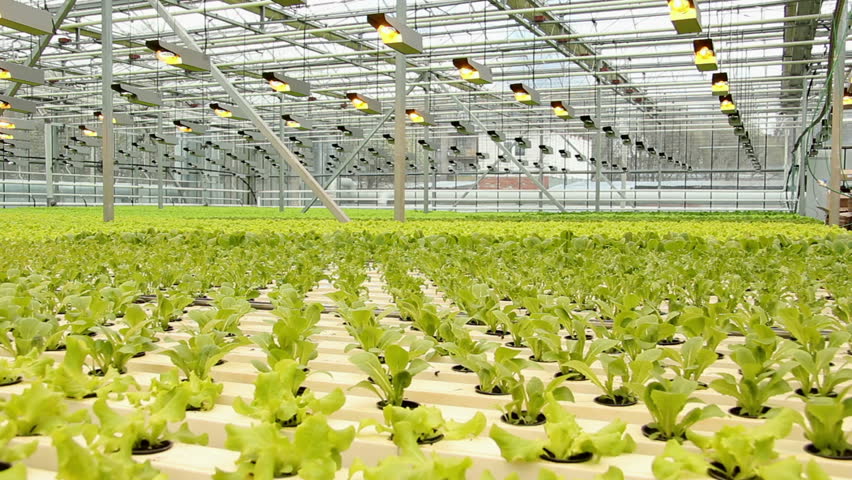
Imagine fresh, crisp lettuce gracing your table even when the snow is falling outside. That's the magic of greenhouse gardening! Growing your own lettuce in a greenhouse extends your harvest season, protects your plants from harsh weather and pests, and provides you with delicious, homegrown salads year-round. Let's dive into the secrets of successfully cultivating lettuce in a greenhouse environment.
Why Grow Lettuce in a Greenhouse?
There are numerous advantages to growing lettuce in a greenhouse, making it a worthwhile endeavor for both novice and experienced gardeners. Greenhouses provide a controlled environment, offering protection from the elements and allowing you to manipulate factors like temperature, humidity, and light. This translates to a longer growing season, higher yields, and better quality lettuce. The benefits include:
- Extended Growing Season: Greenhouses allow you to start your lettuce earlier in the spring and continue harvesting well into the fall and winter. This is especially valuable in regions with short growing seasons.
- Protection from the Elements: Hail, frost, heavy rain, and strong winds can damage or destroy outdoor lettuce crops. Greenhouses provide a safe haven from these threats.
- Pest and Disease Control: Greenhouses offer a barrier against many common lettuce pests, such as aphids, slugs, and cutworms. The controlled environment also reduces the risk of certain fungal diseases.
- Optimized Growing Conditions: You can adjust the temperature, humidity, and light levels within your greenhouse to create the ideal conditions for lettuce growth. This leads to faster growth, higher yields, and improved flavor.
- Improved Lettuce Quality: Greenhouse-grown lettuce tends to be cleaner, crisper, and more tender than outdoor-grown lettuce. The controlled environment reduces the risk of blemishes and other imperfections.
Choosing the Right Lettuce Varieties for Greenhouse Growing
Not all lettuce varieties are created equal when it comes to greenhouse cultivation. Some are better suited to the controlled environment and potential temperature fluctuations than others. When selecting your seeds or seedlings, consider these factors:
- Heat Tolerance: Greenhouses can get quite warm, especially during the summer months. Choose heat-tolerant varieties like 'Black Seeded Simpson,' 'Red Sails,' or 'Buttercrunch' to avoid bolting (premature flowering).
- Cold Tolerance: If you plan to grow lettuce during the winter, select cold-hardy varieties like 'Winter Density,' 'Arctic King,' or 'Rouge d'Hiver.'
- Disease Resistance: Opt for varieties that are resistant to common lettuce diseases, such as downy mildew and powdery mildew. This will reduce the need for chemical controls.
- Growth Habit: Consider the space available in your greenhouse. Loose-leaf varieties like 'Oak Leaf' and 'Salad Bowl' are good choices for small spaces, while head lettuce varieties like 'Iceberg' and 'Romaine' require more room.
- Days to Maturity: Choose varieties with a shorter days-to-maturity if you want to harvest quickly. Loose-leaf varieties typically mature faster than head lettuce.
Setting Up Your Greenhouse for Lettuce
Proper greenhouse setup is crucial for successful lettuce cultivation. Here's what you need to consider:
Greenhouse Structure and Location
The size and type of your greenhouse will depend on your budget, space constraints, and growing goals. A simple hoop house can be an affordable option for small-scale lettuce production, while a more elaborate glass or polycarbonate greenhouse offers better insulation and climate control. The location of your greenhouse is also important. Choose a spot that receives at least six hours of direct sunlight per day and is sheltered from strong winds. Adequate ventilation is also important to regulate temperature and humidity. Consider installing fans or vents to ensure proper airflow.
Soil and Nutrient Management
Lettuce prefers well-drained, fertile soil with a p H between 6.0 and
7.0. You can grow lettuce directly in the greenhouse soil or in raised beds or containers. If you're using the greenhouse soil, amend it with compost or other organic matter to improve drainage and fertility. Conduct a soil test to determine the nutrient levels and amend accordingly. Lettuce requires adequate levels of nitrogen, phosphorus, and potassium. You can use a balanced fertilizer or a fertilizer specifically formulated for leafy greens. Consider using a soil mix designed for vegetable growing. These mixes are often well-draining and contain the necessary nutrients for healthy lettuce growth. Ensure adequate drainage to prevent waterlogging, which can lead to root rot and other problems. Raised beds or containers can help improve drainage and soil quality.
Temperature and Humidity Control
Lettuce thrives in cool temperatures, ideally between 60°F and 70°F (15°C and 21°C). Use heaters or coolers to maintain the desired temperature range in your greenhouse. Avoid drastic temperature fluctuations, as they can stress the plants and lead to bolting. Humidity levels should be moderate, around 50% to 60%. High humidity can promote fungal diseases, while low humidity can cause the leaves to dry out. Use a humidifier or dehumidifier to maintain the appropriate humidity level. Monitor temperature and humidity levels regularly using a thermometer and hygrometer. Adjust your greenhouse management practices as needed to maintain optimal conditions.
Lighting
Lettuce needs adequate light for photosynthesis. If your greenhouse doesn't receive enough natural light, supplement it with artificial lighting. LED grow lights are an energy-efficient option for providing supplemental light. The amount of supplemental light needed will depend on the lettuce variety and the time of year. During the winter months, you may need to provide supplemental light for 12 to 14 hours per day. Monitor the plants closely for signs of light stress, such as pale leaves or stunted growth. Adjust the lighting as needed to ensure healthy growth.
Speaking of equipment that helps nurture your plants, you might find that a dependable water hose is essential for your greenhouse. TheGarden Hose 75 FT with 10-Function Nozzle, featuring leak-proof metal connectors and kink-free design, provides excellent wear-resistance and makes watering a breeze. The lightweight and anti-pet construction makes it a perfect addition to your gardening arsenal. You can find this excellent gardening tool on Amazon at:https://amzn.to/3Yv E0Bo. Consider adding this excellent watering implement to your supply of greenhouse gardening gear.
Planting and Growing Lettuce in the Greenhouse
Once your greenhouse is set up, it's time to plant your lettuce. Here's a step-by-step guide:
Starting Seeds vs. Transplants
You can start lettuce seeds directly in the greenhouse or start them indoors and transplant them later. Starting seeds indoors gives you a head start on the growing season, especially in colder climates. Use a seed-starting mix and sow the seeds about ¼ inch deep. Keep the soil moist and warm until the seeds germinate. Once the seedlings have developed a few true leaves, you can transplant them into the greenhouse. When transplanting, handle the seedlings carefully to avoid damaging the roots. Water the transplants thoroughly after planting. Starting with transplants allows you to select the strongest and healthiest plants for your greenhouse. It also reduces the risk of pests and diseases that can affect seedlings. Direct sowing is a more economical option, but it requires more careful monitoring of soil moisture and temperature. Choose the method that best suits your needs and experience.
Spacing and Planting Depth
Space your lettuce plants according to the variety and your desired harvest size. Loose-leaf varieties can be spaced closer together than head lettuce varieties. A general guideline is to space loose-leaf lettuce 6-8 inches apart and head lettuce 10-12 inches apart. Plant the seedlings at the same depth they were growing in their containers. Avoid planting them too deep, as this can lead to stem rot. Proper spacing allows for good air circulation, which helps prevent fungal diseases. It also ensures that each plant receives adequate light and nutrients.
Watering and Fertilizing
Lettuce needs consistent moisture to thrive. Water deeply and regularly, especially during hot weather. Avoid overwatering, as this can lead to root rot. Use a soaker hose or drip irrigation system to water the plants at the base, avoiding wetting the foliage. Fertilize your lettuce every 2-3 weeks with a balanced fertilizer or a fertilizer specifically formulated for leafy greens. Follow the instructions on the fertilizer label carefully. Over-fertilizing can lead to excessive foliage growth and a bitter taste. Monitor the plants closely for signs of nutrient deficiencies, such as yellowing leaves or stunted growth. Adjust your watering and fertilizing practices as needed to ensure healthy growth.
Pest and Disease Management
While greenhouses offer some protection from pests and diseases, it's still important to monitor your lettuce plants regularly. Common lettuce pests include aphids, slugs, and cutworms. Aphids can be controlled with insecticidal soap or neem oil. Slugs can be trapped with beer traps or handpicked. Cutworms can be prevented by using collars around the seedlings. Common lettuce diseases include downy mildew and powdery mildew. These diseases can be prevented by providing good air circulation, avoiding overwatering, and using disease-resistant varieties. If diseases occur, treat them with a fungicide. Use organic pest and disease control methods whenever possible to minimize the risk to your health and the environment. Regular inspection and early detection are key to preventing major pest and disease outbreaks.
Harvesting and Storing Greenhouse Lettuce
Knowing when and how to harvest lettuce is important. Here's what you need to know:
When to Harvest
Lettuce can be harvested at any stage of maturity, depending on your preference. Loose-leaf varieties can be harvested leaf by leaf as needed. Simply snip off the outer leaves, leaving the inner leaves to continue growing. Head lettuce varieties should be harvested when the head is firm and well-formed. The timing will depend on the variety and growing conditions. Check the seed packet or plant tag for specific harvesting instructions. Harvesting lettuce in the morning, before the leaves wilt in the heat of the day, is best. This will help preserve the crispness and flavor of the lettuce.
Harvesting Techniques
Use a sharp knife or scissors to harvest lettuce. Cut the stem of the head lettuce at the base, or snip off individual leaves of loose-leaf lettuce. Handle the lettuce gently to avoid bruising the leaves. Remove any damaged or yellowing leaves before storing the lettuce. Cleanliness is important during harvesting to prevent the spread of diseases. Wash your hands and tools thoroughly before and after harvesting.
Storage Tips
Lettuce is highly perishable and should be stored properly to maintain its freshness. Wash the lettuce thoroughly and dry it with a salad spinner or paper towels. Store the lettuce in a plastic bag or container in the refrigerator. To keep the lettuce crisp, place a damp paper towel in the bag or container. Lettuce will typically last for 1-2 weeks in the refrigerator. Avoid storing lettuce near fruits that produce ethylene gas, such as apples and bananas, as this can cause the lettuce to brown. Use lettuce as soon as possible after harvesting to enjoy its best flavor and texture.
Troubleshooting Common Greenhouse Lettuce Problems
Even with the best care, you may encounter some problems when growing lettuce in a greenhouse. Here are some common issues and how to address them:
Bolting
Bolting is the premature flowering of lettuce, which can make the leaves bitter and unpalatable. Bolting is typically caused by high temperatures or long days. To prevent bolting, choose heat-tolerant varieties, provide shade during hot weather, and harvest lettuce regularly. If your lettuce starts to bolt, harvest it immediately to salvage as much of the crop as possible. Remove the flower stalks to encourage continued leaf production. Planting lettuce in the fall or winter can help avoid bolting problems.
Pest Infestations
Even in a greenhouse, pests can still be a problem. Monitor your plants regularly for signs of pests, such as aphids, slugs, or cutworms. Use organic pest control methods, such as insecticidal soap, neem oil, or beer traps, to control pests. Introduce beneficial insects, such as ladybugs or lacewings, to help control aphids and other pests. Maintain good sanitation in the greenhouse to prevent pest infestations. Remove weeds and debris regularly, and clean up spilled soil or potting mix.
Disease Outbreaks
Diseases, such as downy mildew or powdery mildew, can also affect lettuce in the greenhouse. Provide good air circulation, avoid overwatering, and use disease-resistant varieties to prevent diseases. If diseases occur, treat them with a fungicide. Remove and destroy any infected plants to prevent the spread of the disease. Water lettuce in the morning to allow the leaves to dry before nightfall. This helps prevent fungal diseases from developing.
Conclusion
Growing lettuce in a greenhouse is a rewarding experience that can provide you with fresh, delicious salads year-round. By following these tips and techniques, you can create the ideal environment for lettuce growth and enjoy a bountiful harvest. Happy gardening!