Have you ever tasted lettuce so fresh, so crisp, and so flavorful that it instantly transported you to a sunny garden? That's the magic of growing your own. And if you're looking for a romaine lettuce variety that's as easy to grow as it is delicious, look no further than Parris Island Romaine! This guide will walk you through everything you need to know to cultivate a thriving crop of Parris Island Romaine lettuce right in your own backyard. Growing Parris Island Romaine Lettuce: A Complete Guide Why Choose Parris Island Romaine Lettuce? Parris Island Romaine lettuce isn't just another leafy green; it's a workhorse in the garden, offering a multitude of benefits for both the gardener and the consumer. Its upright growth habit, heat tolerance, and crisp, flavorful leaves make it a popular choice among home gardeners and commercial growers alike. But what exactly makes this romaine variety so special? Exceptional Flavor and Texture One o...
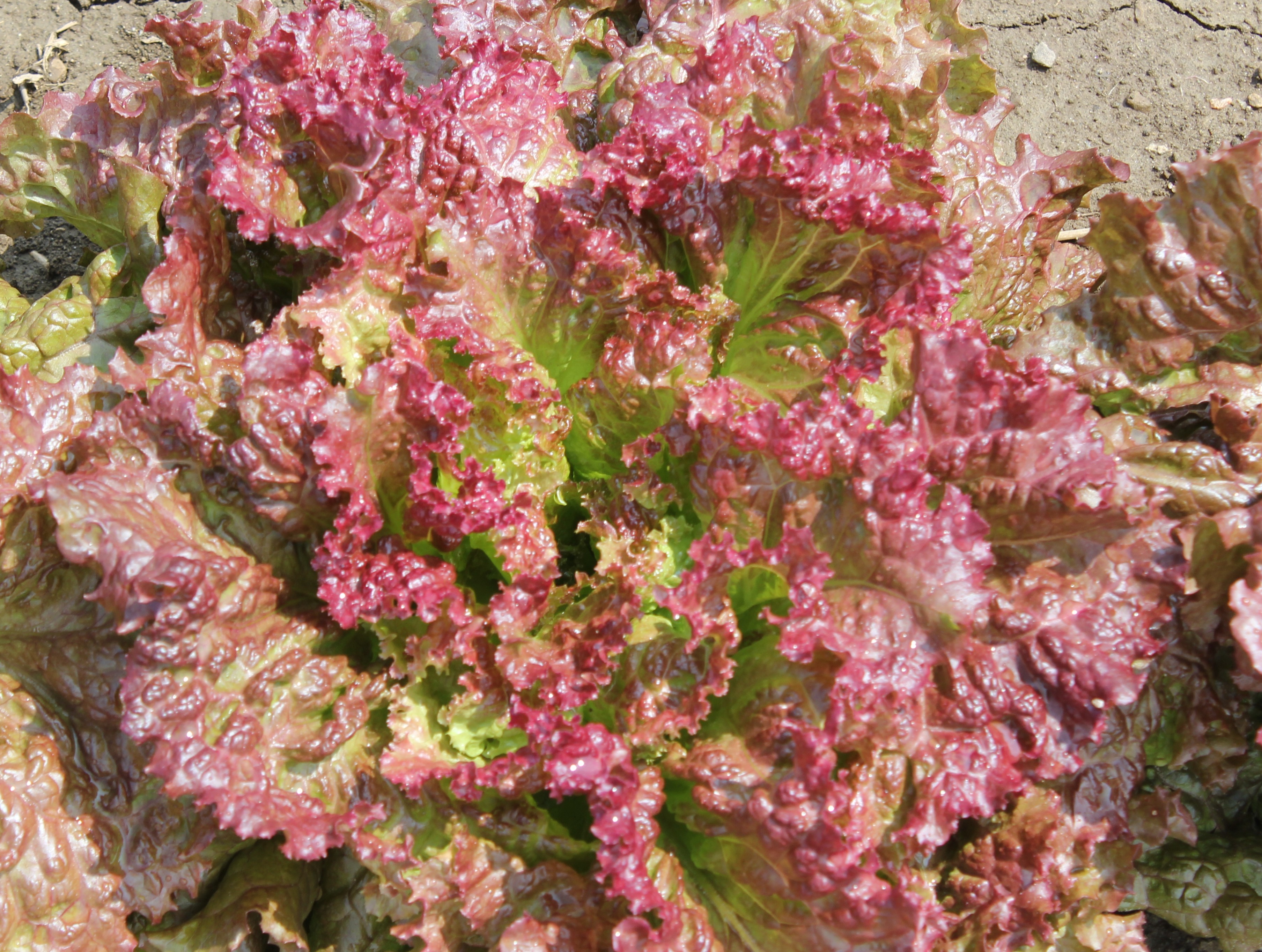
Imagine vibrant bursts of red gracing your garden, not just beautiful to look at, but also incredibly delicious and nutritious. We're talking about red leaf lettuce, of course! Growing your own red leaf lettuce is surprisingly easy and rewarding, providing you with fresh, flavorful greens for salads, sandwiches, and more, right from your backyard (or even your balcony!). Let's dive into everything you need to know to successfully cultivate this beautiful leafy green.
Understanding Red Leaf Lettuce
Red leaf lettuce (Lactuca sativa) is a loose-leaf lettuce variety prized for its frilly, red-tinged leaves. Unlike head lettuce, it doesn't form a tight head, making it easy to harvest individual leaves as needed. This "cut-and-come-again" approach allows for a prolonged harvest, giving you a continuous supply of fresh greens. There are different types of red leaf lettuce with varying shades of red and degrees of frilliness, giving you plenty of options to choose from.
Nutritional Benefits of Growing Red Leaf Lettuce
Beyond its vibrant color and delicious taste, red leaf lettuce packs a nutritional punch. It's a good source of vitamins A and K, as well as folate and fiber. The red pigment, anthocyanin, is an antioxidant that helps protect your body against cell damage. Growing your own ensures you're getting the freshest, most nutrient-rich lettuce possible, free from pesticides and other harmful chemicals. Here's a quick breakdown:
- Vitamin A: Essential for vision, immune function, and cell growth.
- Vitamin K: Important for blood clotting and bone health.
- Folate: Crucial for cell division and DNA synthesis.
- Fiber: Promotes digestive health and helps regulate blood sugar levels.
- Antioxidants: Protect against cell damage and reduce the risk of chronic diseases.
Growing your own red leaf lettuce allows you to control the growing environment, ensuring that your plants receive optimal nutrients and sunlight. This can result in a more nutrient-dense crop compared to store-bought lettuce.
Getting Started: Growing Red Leaf Lettuce
Choosing the Right Location
Red leaf lettuce thrives in a location that receives at least 6 hours of sunlight per day. However, in hotter climates, some afternoon shade is beneficial to prevent the leaves from wilting or becoming bitter. The soil should be well-draining and rich in organic matter. Before planting, amend the soil with compost or well-rotted manure to improve its fertility and drainage. A slightly acidic soil p H of 6.0 to
7.0 is ideal for growing red leaf lettuce.
Starting Seeds Indoors vs. Direct Sowing
You can start red leaf lettuce seeds indoors or sow them directly into the garden. Starting seeds indoors gives you a head start, especially in regions with short growing seasons. Sow seeds indoors 4-6 weeks before the last expected frost. Use seed starting trays or small pots filled with a seed-starting mix. Keep the soil moist and provide adequate light until the seedlings are ready to transplant. Direct sowing is a simpler option, but it's important to wait until the soil has warmed up to at least 50°F (10°C). Sow the seeds thinly in rows, about ¼ inch deep, and keep the soil moist until germination occurs. Thin the seedlings to 6-8 inches apart once they have developed a few true leaves.
To maximize your yield, consider succession planting. Sow new seeds every 2-3 weeks to ensure a continuous supply of fresh lettuce throughout the growing season.
Best Time to Plant Red Leaf Lettuce
The best time to plant red leaf lettuce is in early spring or late summer. Lettuce is a cool-season crop and thrives in temperatures between 60°F and 70°F (15°C and 21°C). In warmer climates, you can grow lettuce throughout the fall and winter. Avoid planting during the hottest months of the year, as the heat can cause the lettuce to bolt (go to seed) and become bitter. Plant after the threat of a harsh freeze.
Here’s a simplified table:
| Season | Climate | Planting Time |
|---|---|---|
| --- | --- | --- |
| Early Spring | Cool climates | 4-6 weeks before last frost (indoors), after last frost (direct sow) |
| Late Summer/Early Fall | All climates | 6-8 weeks before first frost |
| Fall/Winter | Mild climates | Plant throughout the season, ensuring protection from hard freezes |
Caring for Your Red Leaf Lettuce Plants
Watering and Fertilizing
Red leaf lettuce needs consistent moisture to thrive. Water deeply and regularly, especially during dry periods. Avoid overwatering, as this can lead to root rot. A good rule of thumb is to water when the top inch of soil feels dry to the touch. Fertilize lettuce plants with a balanced fertilizer every 2-3 weeks. You can also use organic fertilizers such as fish emulsion or compost tea. Avoid over-fertilizing, as this can cause the lettuce to bolt and become bitter.
Consider using a soaker hose or drip irrigation system to deliver water directly to the roots of the plants. This will help to conserve water and prevent the leaves from getting wet, reducing the risk of fungal diseases. And if you need a solid and reliable gardening tool for watering, consider using a75 FT Garden Hose with a 10-Function Nozzle that boasts leak-proof metal connectors and kink-free design, ensuring your plants get the hydration they need: https://amzn.to/3Yv E0Bo.
Pest and Disease Control
Red leaf lettuce is relatively pest-resistant, but it can be susceptible to certain pests and diseases. Common pests include aphids, slugs, and snails. Aphids can be controlled with insecticidal soap or neem oil. Slugs and snails can be hand-picked or trapped using beer traps. Diseases such as downy mildew and powdery mildew can be prevented by providing good air circulation and avoiding overwatering. If diseases do occur, treat them with a fungicide labeled for use on lettuce.
Here are a few tips for preventing pest and disease problems:
- Choose disease-resistant varieties.
- Provide good air circulation by spacing plants properly.
- Avoid overwatering and overhead watering.
- Remove any diseased leaves promptly.
- Use organic pest control methods whenever possible.
Harvesting and Storing Red Leaf Lettuce
When and How to Harvest
Red leaf lettuce can be harvested as soon as the leaves are large enough to eat, typically about 4-6 weeks after planting. The "cut-and-come-again" method involves harvesting individual leaves from the outer part of the plant, allowing the inner leaves to continue growing. This method provides a continuous harvest for several weeks. To harvest, simply snip off the leaves with scissors or a knife. Avoid harvesting during the hottest part of the day, as the leaves will be more likely to wilt. Try to harvest in the morning when the leaves are crisp and full of moisture.
Proper Storage Techniques
Red leaf lettuce is best stored in the refrigerator. Before storing, wash the leaves thoroughly and dry them with a salad spinner or paper towels. Store the leaves in a plastic bag or container lined with a paper towel to absorb excess moisture. Lettuce stored in this way can last for up to a week in the refrigerator. Avoid storing lettuce near ethylene-producing fruits such as apples and bananas, as this can cause the lettuce to spoil more quickly.
If you have a large harvest, consider blanching and freezing some of the lettuce for later use. Blanching involves briefly boiling the lettuce leaves for 2-3 minutes, then immediately plunging them into ice water to stop the cooking process. This helps to preserve the color and flavor of the lettuce. Drain the blanched lettuce thoroughly and store it in freezer bags or containers.
Troubleshooting Common Problems in Growing Red Leaf Lettuce
Bolting
Bolting, or going to seed, is a common problem with lettuce, especially in hot weather. When lettuce bolts, the leaves become bitter and the plant stops producing new leaves. To prevent bolting, plant lettuce in a location with afternoon shade, water regularly, and harvest frequently. Choose bolt-resistant varieties. You can also try planting lettuce in the early spring or late summer, when temperatures are cooler.
Leaf Burn
Leaf burn, or tip burn, is a condition that causes the edges of the lettuce leaves to turn brown and dry. It's often caused by calcium deficiency or inconsistent watering. To prevent leaf burn, ensure that the soil is rich in calcium and water the plants regularly. You can also add lime to the soil to increase the calcium content. Avoid letting the soil dry out completely, as this can exacerbate the problem. You might also want to get your soil tested to check what it lacks.
Pests and Diseases
As mentioned earlier, red leaf lettuce can be susceptible to various pests and diseases. Monitor your plants regularly for signs of problems and take action promptly. Use organic pest control methods whenever possible and choose disease-resistant varieties. Proper watering, good air circulation, and healthy soil can help prevent many pest and disease problems.
By following these tips, you can enjoy a bountiful harvest of fresh, delicious red leaf lettuce from your own garden!