Have you ever tasted lettuce so fresh, so crisp, and so flavorful that it instantly transported you to a sunny garden? That's the magic of growing your own. And if you're looking for a romaine lettuce variety that's as easy to grow as it is delicious, look no further than Parris Island Romaine! This guide will walk you through everything you need to know to cultivate a thriving crop of Parris Island Romaine lettuce right in your own backyard. Growing Parris Island Romaine Lettuce: A Complete Guide Why Choose Parris Island Romaine Lettuce? Parris Island Romaine lettuce isn't just another leafy green; it's a workhorse in the garden, offering a multitude of benefits for both the gardener and the consumer. Its upright growth habit, heat tolerance, and crisp, flavorful leaves make it a popular choice among home gardeners and commercial growers alike. But what exactly makes this romaine variety so special? Exceptional Flavor and Texture One o...
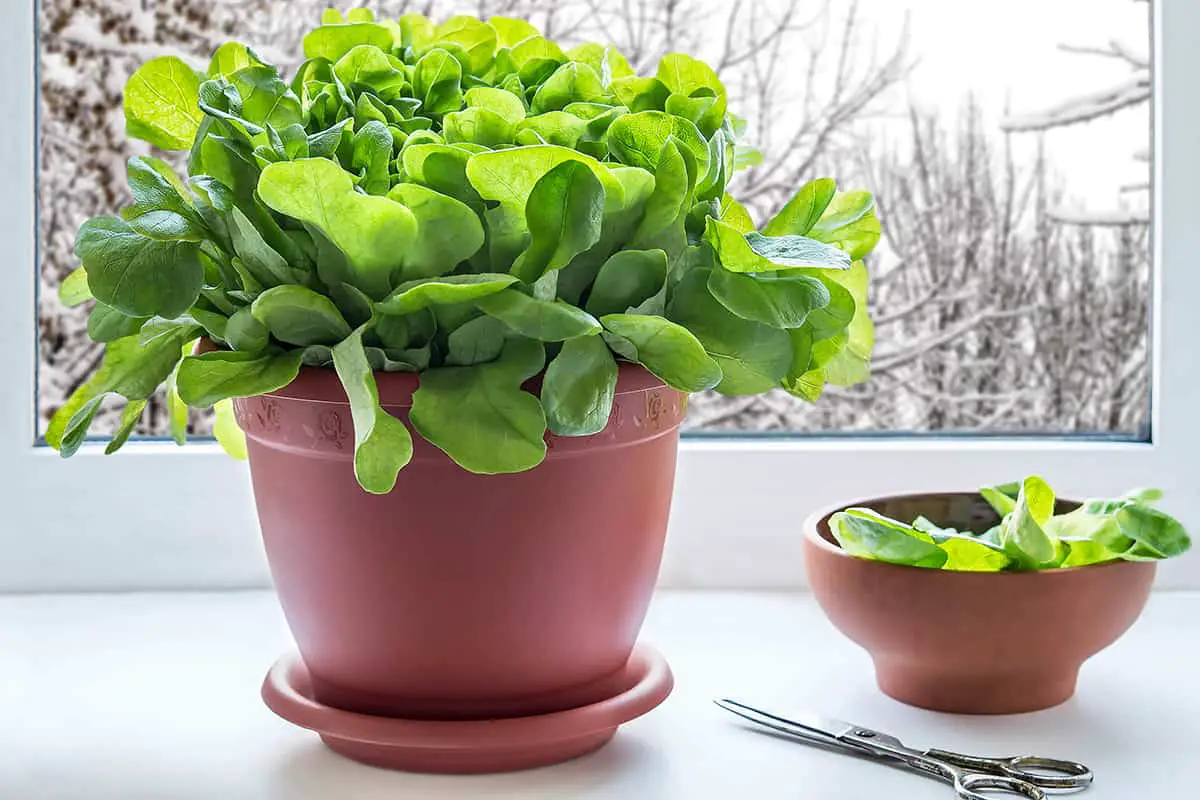
Imagine stepping outside your door and snipping fresh, crisp lettuce leaves for your salad or sandwich. It's easier than you think, even without a sprawling garden! Growing lettuce in pots is a fantastic way to enjoy homegrown goodness, no matter your space. Let's dive into how you can cultivate your own little lettuce patch on your patio, balcony, or even windowsill.
Getting Started with Growing Lettuce in Pots
Growing your own lettuce in containers offers several advantages, especially for those with limited space. It's a great way to control the growing environment, minimize pests, and enjoy fresh greens right at your doorstep. Whether you're a seasoned gardener or just starting out, growing lettuce in pots is a rewarding experience. Let's break down the essential elements for successful container lettuce gardening.
Choosing the Right Lettuce Variety for Pots
Not all lettuce varieties are created equal when it comes to container gardening. Some thrive in the confined space of a pot, while others need more room to spread out. Here are a few excellent choices for growing in pots:
- Loose-leaf varieties: These, like 'Black Seeded Simpson', 'Red Sails', and 'Oak Leaf', are perfect for containers because you can harvest leaves gradually as needed, rather than harvesting the entire head at once. They also tend to mature faster than other types.
- Butterhead varieties: 'Buttercrunch' and 'Tom Thumb' are compact and form small, loose heads that fit nicely in pots. Their tender leaves are delicious in salads.
- Romaine varieties: Smaller romaine varieties like 'Little Gem' can also be successfully grown in pots, providing crisp, upright leaves ideal for Caesar salads.
Consider the size of your pot and the mature size of the lettuce variety when making your selection. Check seed packets for specific information on plant spacing and growth habits. Remember, overcrowding can lead to stunted growth and increased susceptibility to diseases.
Selecting the Perfect Pot and Soil
The right pot and soil are crucial for healthy lettuce growth. Choose a pot that is at least 6 inches deep and 6 inches wide for individual lettuce plants. Larger pots, like window boxes or long rectangular planters, can accommodate multiple plants. Make sure the pot has drainage holes to prevent waterlogging, which can lead to root rot.
As for soil, avoid using garden soil, as it can be too heavy and compact for container gardening. Instead, opt for a high-quality potting mix that is lightweight, well-draining, and rich in organic matter. Look for a mix that contains ingredients like peat moss, vermiculite, or perlite to improve drainage and aeration. You can also amend your potting mix with compost or aged manure to provide additional nutrients.
Fact: Lettuce prefers slightly acidic soil with a p H between 6.0 and
7.0. You can test your soil p H with a soil testing kit and adjust it accordingly with lime (to raise the p H) or sulfur (to lower the p H).
How to Plant Lettuce in Pots
Once you've chosen your variety, pot, and soil, it's time to get planting! You can start lettuce from seed or purchase seedlings from a local nursery. Starting from seed is more economical, but seedlings will give you a head start.
Planting from Seed:
- Fill your pot with potting mix, leaving about an inch of space at the top.
- Moisten the soil thoroughly.
- Sprinkle lettuce seeds evenly over the soil surface.
- Cover the seeds with a thin layer of potting mix (about 1/4 inch).
- Gently water the soil again.
- Place the pot in a sunny location.
- Keep the soil consistently moist until the seeds germinate (usually within 7-14 days).
Planting Seedlings:
- Gently remove the seedlings from their containers.
- Dig a small hole in the potting mix large enough to accommodate the seedling's root ball.
- Place the seedling in the hole and gently pat the soil around it.
- Water the seedlings thoroughly.
- Space seedlings according to the instructions on the seed packet (usually 4-6 inches apart).
Pro Tip: To ensure a continuous harvest, sow seeds every 2-3 weeks. This is called succession planting. This will give you a steady supply of fresh lettuce throughout the growing season.
Caring for Your Potted Lettuce
Proper care is essential for healthy and productive lettuce plants. This includes providing adequate sunlight, water, and nutrients.
Sunlight:
Lettuce needs at least 6 hours of sunlight per day. Place your pots in a sunny location that receives direct sunlight for most of the day. If you live in a hot climate, provide some afternoon shade to prevent the lettuce from bolting (going to seed), which makes the leaves bitter.
Watering:
Lettuce needs consistent moisture to thrive. Water your plants regularly, especially during hot, dry weather. Check the soil moisture daily by sticking your finger into the soil. If the top inch of soil feels dry, it's time to water. Water deeply, until water drains out of the drainage holes. Avoid overwatering, as this can lead to root rot. Using aGarden Hose 75 FT with 10-Function Nozzle, Leak-proof Metal Connector Water Hose can make this task much easier. The variety of spray patterns offered by this75-foot garden watering tool makes watering delicate lettuce leaves a breeze, and you can find it here: https://amzn.to/3Yv E0Bo.
Fertilizing:
Lettuce is a light feeder, but it still benefits from regular fertilization. Use a balanced liquid fertilizer diluted to half strength every 2-3 weeks. You can also amend the soil with compost or aged manure to provide a slow-release source of nutrients.
Pest and Disease Control:
Lettuce is generally pest-resistant, but it can be susceptible to aphids, slugs, and snails. Inspect your plants regularly for signs of pests. Handpick pests off the plants or use insecticidal soap or neem oil to control infestations. To deter slugs and snails, place copper tape around the rim of your pots or use slug bait.
Diseases like downy mildew and powdery mildew can also affect lettuce. To prevent these diseases, ensure good air circulation around your plants and avoid overhead watering. If you notice signs of disease, remove affected leaves and treat the plants with a fungicide.
Harvesting Your Homegrown Lettuce
Harvesting your lettuce is the most rewarding part of growing it! Loose-leaf lettuce varieties can be harvested as soon as the leaves are large enough to eat. Simply snip off the outer leaves with scissors or a knife, leaving the inner leaves to continue growing. Butterhead and romaine varieties should be harvested when the heads are firm and well-formed.
Did you know?: Lettuce is best harvested in the morning, before the sun has had a chance to heat up the leaves. This is when the leaves are crispest and most flavorful.
Store harvested lettuce in the refrigerator in a plastic bag or container. It will stay fresh for several days.
Troubleshooting Common Lettuce Problems
Even with the best care, you may encounter some problems while growing lettuce in pots. Here are some common issues and how to address them:
- Bolting (Going to Seed): This is when lettuce plants prematurely flower and produce seeds, making the leaves bitter. Bolting is usually caused by hot weather or stress. To prevent bolting, provide afternoon shade, water regularly, and harvest leaves frequently.
- Yellowing Leaves: This can be caused by overwatering, underwatering, nutrient deficiencies, or pests. Check the soil moisture, fertilize regularly, and inspect for pests.
- Stunted Growth: This can be caused by overcrowding, poor soil, or lack of sunlight. Thin out seedlings, use a high-quality potting mix, and provide adequate sunlight.
- Pest Infestations: Regularly inspect your plants for pests and take appropriate action to control them.
Enjoying Your Fresh, Homegrown Lettuce
Growing lettuce in pots is a simple and rewarding way to enjoy fresh, homegrown greens. With a little planning and care, you can have a continuous supply of delicious lettuce right at your fingertips. Experiment with different varieties, find what works best for your growing conditions, and savor the taste of your own homegrown salad!