Have you ever tasted lettuce so fresh, so crisp, and so flavorful that it instantly transported you to a sunny garden? That's the magic of growing your own. And if you're looking for a romaine lettuce variety that's as easy to grow as it is delicious, look no further than Parris Island Romaine! This guide will walk you through everything you need to know to cultivate a thriving crop of Parris Island Romaine lettuce right in your own backyard. Growing Parris Island Romaine Lettuce: A Complete Guide Why Choose Parris Island Romaine Lettuce? Parris Island Romaine lettuce isn't just another leafy green; it's a workhorse in the garden, offering a multitude of benefits for both the gardener and the consumer. Its upright growth habit, heat tolerance, and crisp, flavorful leaves make it a popular choice among home gardeners and commercial growers alike. But what exactly makes this romaine variety so special? Exceptional Flavor and Texture One o...
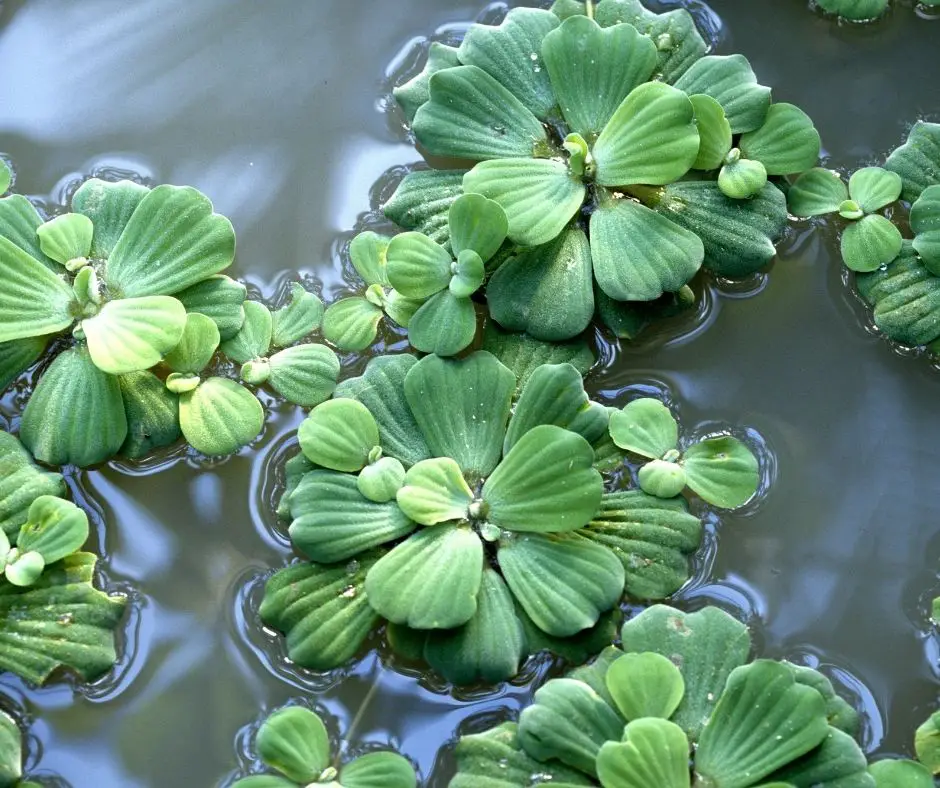
Imagine plucking fresh, crisp lettuce leaves straight from your countertop, no soil required! Growing lettuce in water, also known as hydroponic lettuce growing, is a surprisingly simple and rewarding project that even beginners can master. It's a fantastic way to enjoy fresh greens year-round, reduce your environmental impact, and add a touch of green to your indoor space.
Why Grow Lettuce in Water?
Growing lettuce in water offers a number of advantages over traditional soil-based gardening. Let's delve into why so many people are turning to this alternative method of growing lettuce:
- Space Saving: Water culture lettuce needs minimal space, making it perfect for apartments, small balconies, or anyone with limited gardening area. You don't need a sprawling garden to enjoy fresh lettuce.
- Faster Growth: Lettuce grown hydroponically often grows faster than its soil-grown counterparts. This is because the roots have direct access to nutrients and oxygen, leading to quicker development. You can enjoy a harvest much sooner!
- Reduced Pest and Disease Problems: Soil-borne pests and diseases are less of a concern when growing lettuce in water. This means less need for pesticides and a healthier crop overall.
- Year-Round Harvest: You can grow lettuce indoors regardless of the season, providing a continuous supply of fresh greens. Say goodbye to relying on grocery stores for your lettuce fix!
- Sustainability: Hydroponic systems use significantly less water than traditional gardening methods, making them a more sustainable choice. Plus, you're reducing your carbon footprint by growing your own food.
- Easy to Maintain: Once set up, a water culture lettuce system requires relatively little maintenance. Regular water and nutrient solution changes are typically all that's needed.
Getting Started: Essential Supplies for Hydroponic Lettuce Growing
Before you embark on your water culture lettuce growing journey, gather the necessary supplies. This initial investment will set you up for success:
- Lettuce Seeds or Seedlings: Choose your favorite lettuce varieties. Leafy types like Romaine, Butterhead, and loose-leaf varieties like Black Seeded Simpson are great choices for water culture. You can start from seeds or purchase small seedlings from a nursery.
- Growing Container: A wide-mouthed jar, plastic tub, or specialized hydroponic container will work. Ensure it's clean and food-grade. Opaque containers are better, as they prevent algae growth.
- Net Pots or Growing Cups: These hold the lettuce seedlings and allow the roots to access the nutrient solution. Net pots with small holes or slits work well.
- Growing Medium: Inert media like rockwool cubes, coco coir, or perlite provide support for the seedlings in the net pots. They don't provide nutrients, but they help anchor the plants.
- Nutrient Solution: Purchase a hydroponic nutrient solution specifically formulated for leafy greens. These solutions contain all the essential nutrients that lettuce needs to thrive.
- Water: Use filtered or dechlorinated water for best results. Tap water can contain chemicals that are harmful to plants.
- Air Pump and Air Stone (Optional): An air pump and air stone can oxygenate the nutrient solution, promoting healthy root growth. While not strictly necessary, they can significantly improve results.
- p H Meter and Adjuster (Optional): Maintaining the correct p H level is crucial for nutrient absorption. A p H meter allows you to monitor the p H, and a p H adjuster (p H up or p H down) lets you fine-tune it.
- Grow Lights (Optional): If you're growing lettuce indoors in a location with limited natural light, grow lights will provide the necessary illumination for healthy growth.
Consider purchasing a qualitygarden hose, perhaps an expandable 75 FT Garden Hose with 10-Function Nozzlefor easy watering of your outdoor plants. The leak-proof metal connectors and kink-free design make it a durable and convenient choice for any gardening enthusiast. Check it out here:https://amzn.to/3Yv E0Bo
Step-by-Step Guide: How to Grow Lettuce in Water
Now that you have your supplies, let's get started with the step-by-step process of growing lettuce in water:
1. Germinate Seeds (If Starting from Seed)
If you're starting from seeds, you'll need to germinate them first. There are several ways to do this:
- Paper Towel Method: Place lettuce seeds between two moist paper towels, put them in a plastic bag, and keep them in a warm, dark place. The seeds should germinate in a few days.
- Rockwool Cubes: Sow seeds directly into pre-soaked rockwool cubes. Keep the cubes moist and warm until germination.
2. Prepare the Growing Container
Clean your growing container thoroughly with soap and water. If using an opaque container, skip this step. If using a transparent container, you can cover it with dark paper or paint it to prevent algae growth.
3. Plant Seedlings in Net Pots
Once the seedlings have sprouted (or if you're using seedlings from a nursery), gently transplant them into net pots filled with your chosen growing medium (rockwool, coco coir, or perlite). Ensure the roots are nestled in the medium and the base of the seedling is just above the rim of the pot.
4. Prepare the Nutrient Solution
Follow the instructions on your hydroponic nutrient solution to prepare the correct concentration. Typically, you'll mix the solution with water according to the label's recommendations. Use filtered or dechlorinated water for best results.
5. Fill the Growing Container
Pour the nutrient solution into the growing container, leaving about an inch of space from the top. You want the bottom of the net pots to be submerged in the solution, but not the leaves of the lettuce.
6. Place Net Pots in Growing Container
Place the net pots with the seedlings into the holes or slots of your growing container. The bottom of the net pots should be immersed in the nutrient solution, allowing the roots to absorb water and nutrients.
7. Provide Adequate Light
Lettuce needs at least 6 hours of light per day. If you're growing lettuce indoors, place the container near a sunny window or use grow lights to supplement natural light. Keep the lights about 6-12 inches above the plants.
8. Monitor and Adjust p H (Optional)
The ideal p H range for hydroponic lettuce is between 5.5 and
6.5. Use a p H meter to monitor the p H of the nutrient solution and adjust it if necessary using p H up or p H down solutions.
Fact: Maintaining proper p H levels is crucial for the lettuce's ability to absorb nutrients from the water. If the p H is too high or too low, the plants may suffer from nutrient deficiencies.
9. Change the Nutrient Solution Regularly
Change the nutrient solution every 1-2 weeks to prevent the build-up of salts and maintain optimal nutrient levels. When changing the solution, thoroughly rinse the growing container and net pots to remove any debris.
10. Provide Air Circulation (Optional)
Adequate air circulation helps prevent fungal diseases. A small fan placed near the lettuce can improve air flow.
11. Harvest Your Lettuce
You can start harvesting lettuce leaves as soon as they are large enough to eat, usually in about 3-4 weeks. Harvest outer leaves first, allowing the inner leaves to continue growing. This "cut and come again" method allows you to enjoy a continuous harvest for several weeks.
Troubleshooting Common Problems When Growing Lettuce in Water
While growing lettuce in water is generally straightforward, you may encounter a few common problems. Here's how to troubleshoot them:
- Yellowing Leaves: This can be caused by nutrient deficiencies, overwatering, or insufficient light. Ensure you're using a balanced nutrient solution, changing it regularly, and providing adequate light.
- Leggy Growth: This indicates insufficient light. Move the lettuce to a brighter location or supplement with grow lights.
- Algae Growth: Algae can compete with lettuce for nutrients and oxygen. Use an opaque container, change the nutrient solution regularly, and ensure good air circulation.
- Root Rot: This is often caused by poor oxygenation or stagnant water. Add an air pump and air stone to the nutrient solution, change the solution regularly, and avoid overcrowding.
- Pests: Although less common than in soil-based gardening, pests like aphids and spider mites can sometimes infest hydroponic lettuce. Inspect your plants regularly and treat any infestations with an appropriate organic insecticide.
Case Study: A study conducted by the University of Arizona found that hydroponically grown lettuce had a 30% higher yield compared to soil-grown lettuce. This highlights the potential of water culture for maximizing lettuce production.
Conclusion: Enjoy Your Homegrown Water Culture Lettuce!
Growing lettuce in water is a simple and rewarding way to enjoy fresh, healthy greens year-round. With a little preparation and the right supplies, you can easily set up a hydroponic lettuce system in your home and enjoy a continuous harvest of delicious lettuce leaves. So, give it a try and experience the joy of growing your own food!