Have you ever tasted lettuce so fresh, so crisp, and so flavorful that it instantly transported you to a sunny garden? That's the magic of growing your own. And if you're looking for a romaine lettuce variety that's as easy to grow as it is delicious, look no further than Parris Island Romaine! This guide will walk you through everything you need to know to cultivate a thriving crop of Parris Island Romaine lettuce right in your own backyard. Growing Parris Island Romaine Lettuce: A Complete Guide Why Choose Parris Island Romaine Lettuce? Parris Island Romaine lettuce isn't just another leafy green; it's a workhorse in the garden, offering a multitude of benefits for both the gardener and the consumer. Its upright growth habit, heat tolerance, and crisp, flavorful leaves make it a popular choice among home gardeners and commercial growers alike. But what exactly makes this romaine variety so special? Exceptional Flavor and Texture One o...
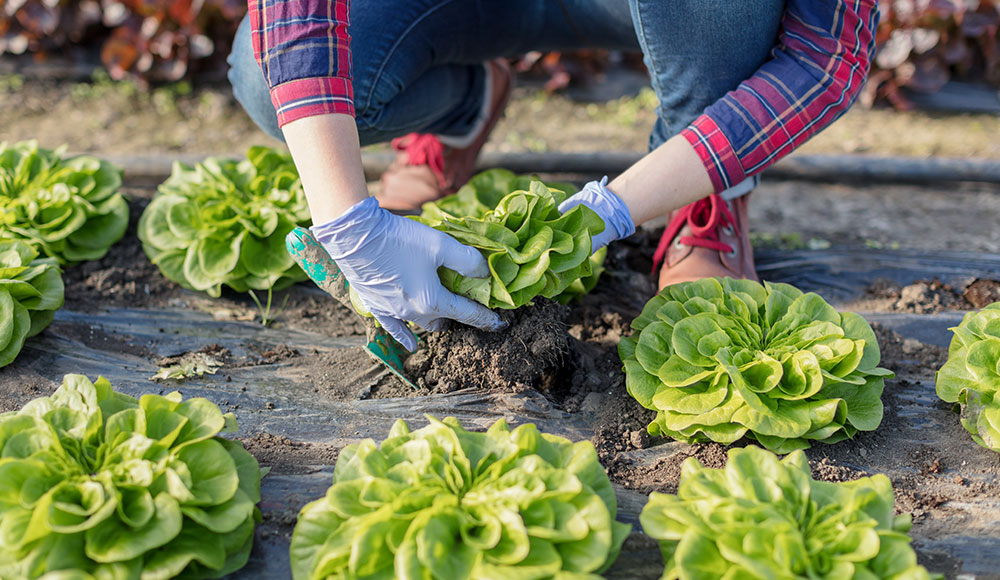
Imagine crisp, vibrant lettuce leaves, fresh from your own backyard, adding a burst of flavor to your salads and sandwiches. It's easier than you think to achieve this culinary dream! Planting and growing lettuce is a rewarding experience, even for novice gardeners. This guide will walk you through everything you need to know to cultivate a thriving lettuce patch, from seed to salad bowl.
Getting Started: Planting Lettuce
The first step to enjoying homegrown lettuce is, of course, planting. The good news is that lettuce is a cool-season crop, meaning it thrives in cooler temperatures. This allows for multiple harvests throughout the spring and fall in many climates. Choosing the right planting method, timing, and location are crucial for success.
Choosing Your Lettuce Variety
Lettuce comes in a delightful array of varieties, each with its own unique texture, flavor, and appearance. Understanding these differences will help you select the perfect lettuce for your taste and garden conditions.
- Loose-leaf: These are the easiest to grow and harvest. They don't form heads, and you can snip off individual leaves as needed. Popular varieties include Black Seeded Simpson, Red Sails, and Oakleaf.
- Butterhead: Known for their soft, buttery texture and delicate flavor. Boston and Bibb are classic butterhead varieties.
- Romaine: A staple for Caesar salads, romaine lettuce has a crisp texture and upright growth habit. Look for varieties like Parris Island Cos and Jericho.
- Crisphead: This type, including the familiar iceberg lettuce, forms tight, dense heads. It's the most challenging type to grow, requiring consistent moisture and cool temperatures.
Timing Your Planting for Optimal Growth
Timing is everything when planting lettuce. The ideal soil temperature for germination is between 60°F and 70°F (15°C - 21°C). Lettuce seeds can germinate in soil temperatures as low as 40°F (4°C), but germination will be slower. For a spring crop, start seeds indoors 4-6 weeks before the last expected frost or direct sow them outdoors 2-4 weeks before the last frost. For a fall crop, plant seeds in late summer, about 6-8 weeks before the first expected frost.
Consider succession planting – planting small batches of lettuce every 1-2 weeks – to ensure a continuous harvest throughout the growing season. This is particularly important for loose-leaf varieties, as it prevents you from being overwhelmed with too much lettuce at once.
Where to Plant: Location, Location, Location
Lettuce prefers a location with at least 6 hours of sunlight per day, although it can tolerate partial shade, especially in warmer climates. The soil should be well-drained and rich in organic matter. Before planting, amend the soil with compost or well-rotted manure to improve its fertility and drainage. The perfect p H level is between 6.0 and
7.0. A soil test kit can help you determine your soil's p H level and identify any nutrient deficiencies.
The Process of Growing Lettuce: From Seed to Harvest
Once you've selected your varieties, determined your planting time, and prepared your garden bed, it's time to get your hands dirty. Here's a step-by-step guide to growing lettuce:
Starting Seeds Indoors (Optional but Recommended)
Starting seeds indoors gives you a head start on the growing season, especially in areas with short summers. Use seed-starting trays or small pots filled with a seed-starting mix. Sow seeds about ¼ inch deep and keep the soil consistently moist. Place the trays or pots in a warm, sunny location or under grow lights. Seedlings should emerge in 7-14 days. Once the seedlings have developed a few true leaves, they can be transplanted outdoors.
Direct Sowing: Planting Directly in the Garden
Direct sowing is a simple and effective way to plant lettuce. Prepare the soil by loosening it and removing any rocks or debris. Sow seeds about ¼ inch deep and space them according to the variety's recommendations (usually 4-6 inches apart for loose-leaf, 8-12 inches apart for head lettuce). Gently water the soil and keep it consistently moist until the seeds germinate. Once the seedlings emerge, thin them to the recommended spacing.
Caring for Your Lettuce Plants
Consistent care is essential for healthy lettuce growth. Here are some key considerations:
- Watering: Lettuce needs consistent moisture, especially during hot weather. Water deeply and regularly, aiming to keep the soil consistently moist but not waterlogged. Consider using a soaker hose or drip irrigation to deliver water directly to the roots.
- Fertilizing: Lettuce is a relatively light feeder. Apply a balanced fertilizer every few weeks, following the package instructions. Avoid over-fertilizing, as this can lead to leggy growth and bitter-tasting leaves. You can also use organic fertilizers like compost tea or fish emulsion.
- Weeding: Keep the garden bed free of weeds, as they can compete with lettuce plants for nutrients and water. Gently hand-pull weeds, being careful not to disturb the lettuce roots. Applying a layer of mulch around the plants can help suppress weed growth.
- Pest and Disease Control: Lettuce is susceptible to a few common pests, including aphids, slugs, and snails. Inspect your plants regularly and take action promptly if you notice any problems. Aphids can be washed off with a strong stream of water or treated with insecticidal soap. Slugs and snails can be hand-picked or trapped with beer traps. Diseases like downy mildew and powdery mildew can be prevented by providing good air circulation and avoiding overhead watering.
Did you know you can even extend the life of your lettuce by avoiding hot water? Instead of using a traditional hose, consider investing in a75 FT Garden Hose with a 10-Function Nozzle. This high-quality water hose features a leak-proof metal connector, making watering your garden effortless and efficient. The 75-foot garden hoseis also kink-free and lightweight, making it easy to maneuver around your garden. You can find a similar metal garden hoseon Amazon here:
Harvesting Your Lettuce: Enjoying the Fruits (or Leaves!) of Your Labor
Harvesting lettuce is a rewarding experience. The timing of the harvest depends on the variety. Loose-leaf lettuce can be harvested as soon as the leaves are large enough to eat. Simply snip off the outer leaves, leaving the inner leaves to continue growing. Butterhead and romaine lettuce can be harvested when the heads are firm and well-formed. Crisphead lettuce is typically harvested when the heads are solid and dense.
To harvest head lettuce, cut the head at the base of the plant with a sharp knife. For loose-leaf lettuce, harvest in the morning when the leaves are crisp and cool. Avoid harvesting during the heat of the day, as the leaves will be wilted. After harvesting, wash the lettuce leaves thoroughly and store them in the refrigerator in a plastic bag or container. Lettuce will stay fresh for several days if stored properly.
Troubleshooting Common Lettuce Problems
Even with the best care, you may encounter some challenges when growing lettuce. Here are some common problems and how to address them:
- Bolting: This occurs when lettuce plants are exposed to hot weather or long days. The plants send up a flower stalk and the leaves become bitter. To prevent bolting, plant lettuce in a shady location during hot weather and choose bolt-resistant varieties.
- Tipburn: This is a condition where the edges of the lettuce leaves turn brown and dry. It's caused by calcium deficiency and can be exacerbated by inconsistent watering. To prevent tipburn, ensure the soil is well-drained and amend it with calcium-rich materials like bone meal.
- Slugs and Snails: These pests can wreak havoc on lettuce plants, chewing holes in the leaves. Use slug and snail bait, hand-pick them at night, or create barriers around your plants.
- Aphids: These small, sap-sucking insects can weaken lettuce plants. Wash them off with a strong stream of water or treat them with insecticidal soap.
Additional Tips for Success in Planting And Growing Lettuce
Here are some additional tips to help you grow the best lettuce possible:
- Choose the right varieties for your climate. Some varieties are more heat-tolerant than others.
- Rotate your crops. Avoid planting lettuce in the same location year after year to prevent the buildup of soilborne diseases.
- Use mulch to conserve moisture and suppress weeds. Organic mulches like straw, hay, or shredded leaves are ideal.
- Provide adequate spacing between plants. This will improve air circulation and reduce the risk of disease.
- Harvest regularly. This will encourage the plants to continue producing new leaves.
By following these tips, you'll be well on your way to enjoying a bountiful harvest of fresh, delicious lettuce from your own garden. Happy planting!