Have you ever tasted lettuce so fresh, so crisp, and so flavorful that it instantly transported you to a sunny garden? That's the magic of growing your own. And if you're looking for a romaine lettuce variety that's as easy to grow as it is delicious, look no further than Parris Island Romaine! This guide will walk you through everything you need to know to cultivate a thriving crop of Parris Island Romaine lettuce right in your own backyard. Growing Parris Island Romaine Lettuce: A Complete Guide Why Choose Parris Island Romaine Lettuce? Parris Island Romaine lettuce isn't just another leafy green; it's a workhorse in the garden, offering a multitude of benefits for both the gardener and the consumer. Its upright growth habit, heat tolerance, and crisp, flavorful leaves make it a popular choice among home gardeners and commercial growers alike. But what exactly makes this romaine variety so special? Exceptional Flavor and Texture One o...
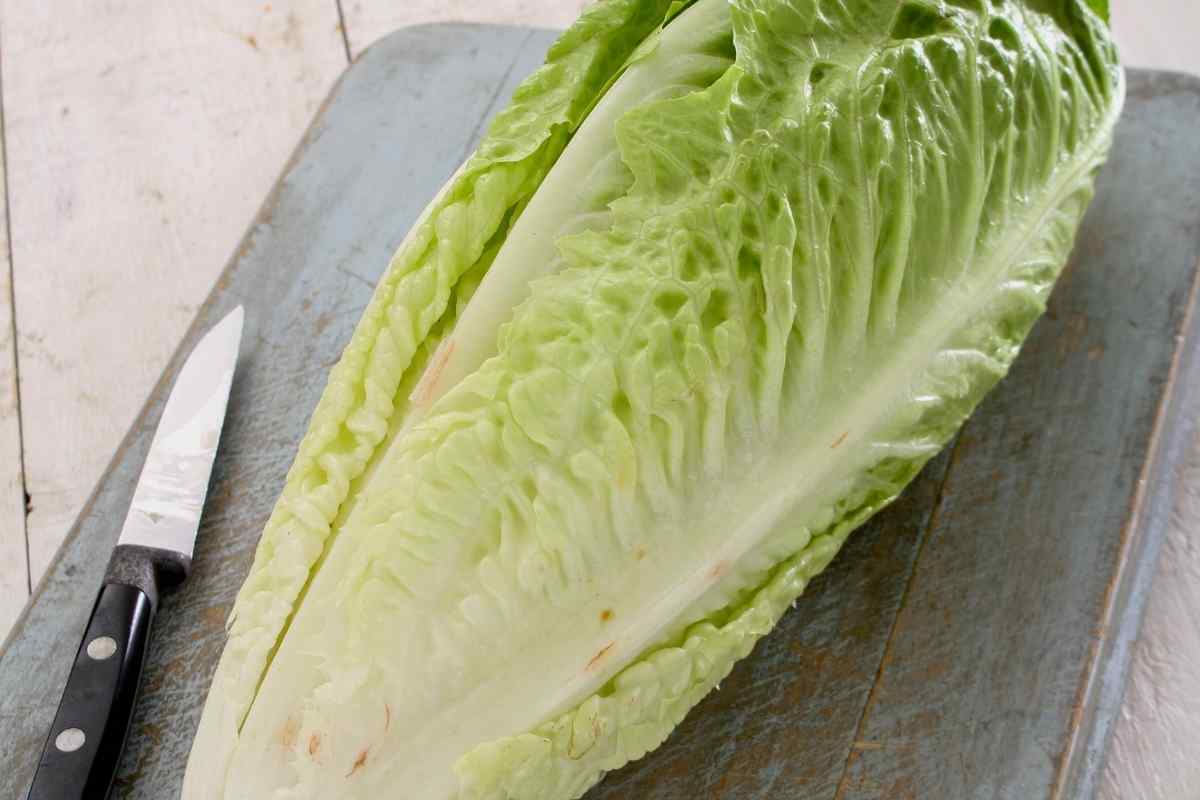
Ever felt a little disappointed when your Romaine lettuce patch yielded short, squat heads instead of the towering beauties you envisioned? You're not alone! Achieving impressive height in your Romaine isn't just about bragging rights; it's often an indicator of healthy growth and delicious, crisp leaves. Let's dive into the secrets of successfully growing tall Romaine lettuce.
Understanding Romaine Lettuce Growth Habits
Romaine lettuce, known for its upright growth and elongated leaves, is a cool-season crop that thrives in specific conditions. Understanding its natural growth habit is crucial for maximizing its potential height. Unlike head lettuce varieties that form a tight, round ball, Romaine grows vertically, with leaves spiraling upwards from a central stem. This unique growth pattern makes it particularly susceptible to bolting (going to seed) in warmer temperatures, which can halt vertical growth and compromise the taste.
Several factors contribute to how tall your Romaine lettuce will grow. These include genetics, environmental conditions, soil quality, and overall plant health. Certain Romaine varieties are naturally taller than others, so selecting the right seeds is a good first step. However, even the most genetically gifted lettuce won't reach its full potential without proper care and attention to its growing environment.
Selecting the Right Romaine Variety for Tall Growth
Choosing the right Romaine variety is paramount for successful tall growth. Some varieties are bred to be more compact, while others naturally exhibit a taller, more elongated form. Here are a few varieties known for their impressive height and upright growth:
- 'Paris Island Cos': This heirloom variety is a classic choice, known for its tall, tightly packed heads and excellent flavor. It's relatively heat-tolerant compared to other Romaines, making it a good option for warmer climates.
- 'Valmaine': 'Valmaine' is another reliable option that produces tall, slender heads with a crisp texture and sweet flavor. It's also known for its resistance to bolting, which can prolong the harvest window.
- 'Dark Green Romaine': This variety offers a robust, deep green color and excellent disease resistance. It tends to grow quite tall and produces large, flavorful leaves.
Consider your local climate and growing conditions when selecting a variety. Look for seed packets that specifically mention tall growth habits or resistance to common lettuce diseases. Reading reviews from other gardeners can also provide valuable insights into the performance of different varieties in your area.
Optimizing Soil Conditions for Tall Romaine Lettuce
Soil is the foundation of any successful garden, and Romaine lettuce is no exception. This leafy green thrives in well-drained, fertile soil with a slightly acidic to neutral p H (around 6.0 to
7.0). Here's how to optimize your soil for tall Romaine growth:
- Soil Testing: Before planting, conduct a soil test to determine its p H and nutrient levels. This will help you identify any deficiencies or imbalances that need to be corrected. You can purchase a soil test kit at most garden centers or send a sample to your local agricultural extension office.
- Amendments: Amend the soil with plenty of organic matter, such as compost, well-rotted manure, or leaf mold. Organic matter improves soil drainage, aeration, and water retention, all of which are essential for healthy Romaine growth.
- Fertilization: Romaine lettuce benefits from regular fertilization, especially during its early growth stages. Use a balanced fertilizer with equal parts nitrogen, phosphorus, and potassium (e.g., 10-10-10) or a fertilizer specifically formulated for leafy greens. Follow the package instructions carefully to avoid over-fertilizing, which can lead to leggy growth and increased susceptibility to pests and diseases.
Maintaining consistent moisture levels in the soil is also crucial. Romaine lettuce needs regular watering, especially during hot, dry weather. Aim for about 1 inch of water per week, either through rainfall or irrigation. Consider using a soaker hose or drip irrigation system to deliver water directly to the roots, minimizing water loss through evaporation. You might also want to consider upgrading to a more reliable watering solution. Adurable, kink-free water delivery system like a Garden Hose 75 FT with 10-Function Nozzle ensures your Romaine gets consistent hydration. This sturdy and flexible water solution, also known as ametal water hose, is available here:https://amzn.to/3Yv E0Bo.
Providing Adequate Sunlight and Temperature Control
Romaine lettuce is a cool-season crop, meaning it thrives in temperatures between 60°F and 70°F (15°C and 21°C). It prefers full sun (at least 6 hours of direct sunlight per day) but can tolerate partial shade, especially in warmer climates. Here's how to manage sunlight and temperature for optimal Romaine growth:
- Timing: Plant Romaine lettuce in early spring or late summer/early fall to avoid the hottest months of the year. This will minimize the risk of bolting and ensure that the plants have enough time to mature before the onset of extreme temperatures.
- Shade Cloth: In warmer climates, consider using shade cloth to protect Romaine lettuce from excessive sunlight and heat. Shade cloth can reduce the amount of direct sunlight by 30-50%, helping to keep the plants cool and prevent bolting.
- Watering: Water Romaine lettuce regularly, especially during hot weather. Water helps to cool the plants and prevent them from wilting. Water in the morning to allow the foliage to dry before nightfall, reducing the risk of fungal diseases.
Bolting is a major concern for Romaine lettuce growers. When temperatures rise, the plant shifts its focus from leaf production to seed production, resulting in a bitter taste and stunted growth. To prevent bolting, choose heat-tolerant varieties, provide shade during the hottest part of the day, and ensure consistent watering. You can also mulch around the plants to help keep the soil cool and moist.
Preventing Pests and Diseases That Hinder Growth
Pests and diseases can significantly impact the height and overall health of your Romaine lettuce. Common pests include aphids, slugs, snails, and cabbage loopers. Common diseases include downy mildew, powdery mildew, and lettuce mosaic virus. Here's how to prevent and manage these problems:
- Pest Control: Regularly inspect your Romaine lettuce for signs of pests. Handpick pests off the plants whenever possible. Use organic pest control methods, such as insecticidal soap, neem oil, or diatomaceous earth, to control infestations.
- Disease Prevention: Choose disease-resistant varieties of Romaine lettuce. Practice good sanitation by removing any infected plant debris from the garden. Ensure good air circulation around the plants to prevent fungal diseases. Avoid overhead watering, which can create a humid environment that favors disease development.
- Crop Rotation: Rotate your crops each year to prevent the buildup of soilborne pests and diseases. Avoid planting Romaine lettuce in the same location for consecutive years.
A proactive approach to pest and disease management is essential for maintaining healthy Romaine lettuce plants. Early detection and prompt treatment can prevent minor problems from escalating into major infestations or outbreaks.
By implementing these strategies, you can create the optimal conditions for growing tall, healthy, and delicious Romaine lettuce in your garden. Enjoy the satisfaction of harvesting towering heads of crisp, flavorful leaves that are perfect for salads, wraps, and more!