Have you ever tasted lettuce so fresh, so crisp, and so flavorful that it instantly transported you to a sunny garden? That's the magic of growing your own. And if you're looking for a romaine lettuce variety that's as easy to grow as it is delicious, look no further than Parris Island Romaine! This guide will walk you through everything you need to know to cultivate a thriving crop of Parris Island Romaine lettuce right in your own backyard. Growing Parris Island Romaine Lettuce: A Complete Guide Why Choose Parris Island Romaine Lettuce? Parris Island Romaine lettuce isn't just another leafy green; it's a workhorse in the garden, offering a multitude of benefits for both the gardener and the consumer. Its upright growth habit, heat tolerance, and crisp, flavorful leaves make it a popular choice among home gardeners and commercial growers alike. But what exactly makes this romaine variety so special? Exceptional Flavor and Texture One o...
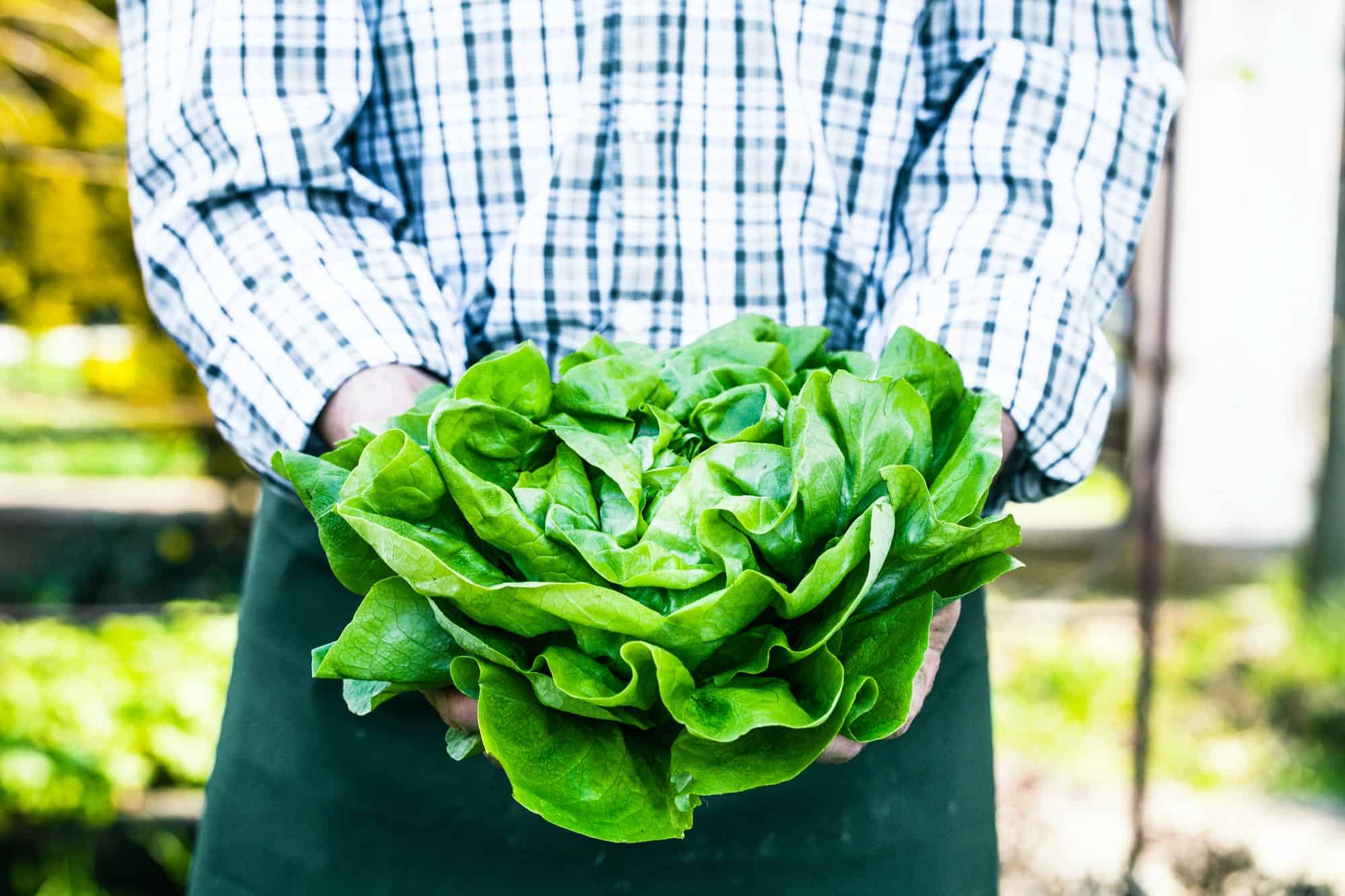
Imagine snipping fresh, crisp lettuce leaves from your garden, enjoying a delicious salad, and then… watching those same plants spring back to life, ready for another harvest. Is it just a gardener's dream, or can lettuce actually regrow after you've harvested it? Let's dig in and find out!
Can You Get Multiple Harvests? Will Lettuce Grow Back?
The short answer is: yes, under the right circumstances,lettuce will grow back after harvesting. However, the extent to which it regrows and the quality of subsequent harvests depends on a few key factors. We're talking about variety, harvesting method, and ongoing care. It’s not quite a “cut-and-come-again” scenario like some herbs, but with a little know-how, you can definitely extend your lettuce harvest significantly.
Understanding Lettuce Types and Regrowth Potential
Not all lettuces are created equal when it comes to their ability to regrow. The type of lettuce you're growing plays a significant role in whether or not you'll see a second, third, or even more harvests.
Loose-Leaf Lettuce:The Regrowth Champion
Loose-leaf lettucesare generally the easiest to regrow. These varieties, like 'Black Seeded Simpson,' 'Red Sails,' and 'Oak Leaf,' don’t form a tight head. Instead, their leaves fan out from a central stem. This makes them perfect for the "cut-and-come-again" method. You can harvest outer leaves while leaving the inner leaves to continue growing. This encourages the plant to keep producing new leaves over an extended period.
With loose-leaf lettuce, you are far more likely to enjoy repeated harvests. You might be surprised at how resilient these plants are, bouncing back week after week if you take care of them.
Butterhead and Romaine:Moderate Regrowth
Butterhead lettuces, such as 'Bibb' or 'Buttercrunch,' andRomaine lettuces, like 'Paris Island Cos' or 'Dark Green Romaine,' offer moderate regrowth potential. While they form looser heads than crisphead varieties, they are still not as readily “cut-and-come-again” as loose-leaf lettuces. You can harvest outer leaves and leave the inner core to continue growing. However, the regrowth might be slower and less abundant compared to loose-leaf types. The leaves might also get a slightly more bitter taste as the plant focuses on seed production.
Crisphead Lettuce:Limited Regrowth
Crisphead lettuces, like 'Iceberg,' are the least likely to regrow successfully. These varieties form tightly packed heads, and when you harvest the entire head, you're essentially removing the plant's primary growth point. While itmightbe possible to get a few small leaves from the base if you leave some of the stem intact, the regrowth will be very limited and the leaves likely won't be very palatable. With crisphead lettuce, it is better to harvest the entire plant and start a new planting for continuous harvests.
The Importance of Harvesting Methods for Lettuce Regrowth
How you harvest your lettuce is almost as important as the type of lettuce you're growing. Proper harvesting techniques can significantly impact its ability to regrow.
Cut-and-Come-Again Harvesting: Promoting Continuous Growth
Thecut-and-come-again method is the key to maximizing regrowth. Instead of harvesting the entire head at once, simply snip off the outer leaves, leaving the inner leaves and the central growing point intact. Use a sharp knife or scissors to make clean cuts, about an inch or two above the soil line. This encourages the plant to focus its energy on producing new leaves rather than going to seed (bolting).
Here's how to do it:
- Wait until the outer leaves are a good size, usually 4-6 inches long.
- Harvest in the morning, when the leaves are crisp and hydrated.
- Cut only the outer leaves, leaving the inner leaves to mature.
- Avoid damaging the central growing point.
Harvesting the Whole Head: Reduced Regrowth Potential
If you harvest the entire head of lettuce, you’re essentially removing the plant’s growth point. While you might see some very limited regrowth, it won’t be substantial. This method is best reserved for crisphead lettuces or when you want to clear space in your garden.
Essential Care for Encouraging Lettuce Regrowth
Even with the right lettuce type and harvesting method, your plants still need proper care to regrow successfully. Providing the right environment and nutrients will help them thrive and produce multiple harvests.
Watering and Fertilizing: Keeping Your Lettuce Hydrated and Fed
Consistent watering is crucial, especially after harvesting. Lettuce prefers moist, but not soggy, soil. Water deeply whenever the top inch of soil feels dry. Regularly fertilizing your lettuce will also help promote regrowth. Use a balanced, water-soluble fertilizer diluted to half strength every two to three weeks. This will provide the necessary nutrients for new leaf production. Make sure that you have a good watering system. Agarden hose with a 10-function nozzle makes watering easy and efficient! The75 FT hose with leak-proof metal connectors is durable, kink-free, and perfect for reaching all your plants. Get yours here: https://amzn.to/3Yv E0Bo. Thisversatile garden hose will ensure your lettuce and other plants receive the hydration they need to flourish.
Sunlight and Temperature: Creating the Ideal Growing Conditions
Lettuce thrives in cool weather and prefers partial shade, especially during the hottest parts of the day. If you're growing lettuce in the summer, provide shade during the afternoon to prevent bolting. Bolting is when lettuce plants prematurely flower and produce seeds, which makes the leaves taste bitter. Ideal temperatures for lettuce growth are between 60°F and 70°F.
Pest and Disease Control: Protecting Your Lettuce from Harm
Keep an eye out for common lettuce pests, such as aphids, slugs, and snails. Handpick them off the plants or use organic pest control methods like neem oil or insecticidal soap. Proper air circulation can also help prevent fungal diseases. Remove any yellowing or damaged leaves promptly to prevent the spread of disease.
Signs That Your Lettuce Won't Grow Back
Even with the best efforts, sometimes lettuce just won't grow back. Recognizing the signs can help you decide when it's time to start fresh.
Bolting: A Sign of the End
As mentioned earlier,bolting is when the lettuce plant sends up a tall flower stalk in an attempt to produce seeds. This is often triggered by hot weather or stress. Once lettuce bolts, the leaves become bitter and unpalatable. While you might still get a few leaves, the quality will be significantly diminished. At this point, it's best to remove the bolted plant and start a new planting.
Slow or Stunted Growth: An Indicator of Problems
If your lettuce is growing very slowly or the new leaves are small and weak, it could be a sign of nutrient deficiencies, pest infestations, or disease. Check the soil p H, fertilize accordingly, and inspect the plants for pests or diseases. If the problem persists, it might be time to replace the plants.
Extending Your Lettuce Harvest: Tips and Tricks
Here are a few extra tips to help you extend your lettuce harvest and enjoy fresh greens for longer:
- Succession Planting: Plant new lettuce seeds every few weeks to ensure a continuous supply.
- Choose Bolt-Resistant Varieties: Some lettuce varieties are more resistant to bolting than others. Look for these varieties when selecting your seeds.
- Provide Shade During Hot Weather: Use shade cloth or plant lettuce near taller plants to provide protection from the sun.
- Harvest Regularly: Frequent harvesting encourages the plant to keep producing new leaves.
In conclusion, while all types of lettuce will not easily or readily grow back, yes,lettuce can grow back after cutting if you choose the right varieties, use the proper harvesting techniques, and provide excellent care. By following these tips, you can enjoy multiple harvests of fresh, delicious lettuce from your garden!